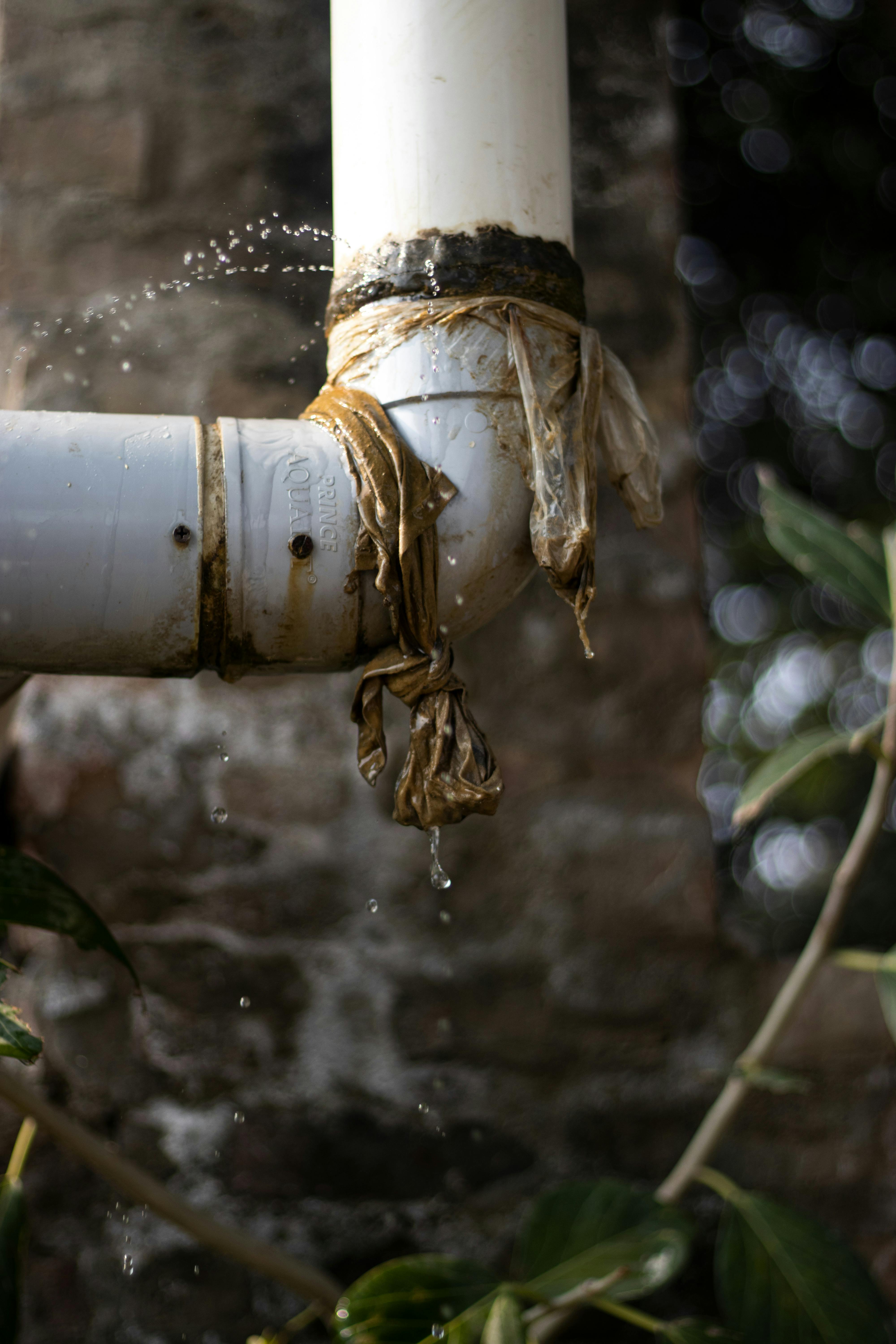
Every household member should know where the main water shutoff valve is—in an emergency, every second counts. Test all shutoff valves annually by turning them fully closed and open to prevent seizing. Replace gate valves (round handle, multiple turns) with ball valves (lever, quarter turn) for reliability.
Water shutoff valves are boring until you need one desperately. A burst pipe, overflowing toilet, or failed appliance becomes a disaster if you can’t stop the water quickly. This guide ensures you’re prepared.
Types of Shutoff Valves
Know what you’re looking at.
Gate Valves
Appearance: Round wheel handle
Operation: Multiple turns to open or close
Pros: Widely used, inexpensive
Cons:
- Can seize if not used regularly
- Prone to internal failure (gate breaks)
- Slow to operate
Common locations: Main shutoffs in older homes, some fixture shutoffs
Ball Valves
Appearance: Lever handle
Operation: Quarter turn (90°)—lever parallel to pipe is open, perpendicular is closed
Pros:
- Fast operation
- Reliable seal
- Rarely seize
- Long-lasting
Cons: More expensive than gate valves
Common locations: Main shutoffs in newer homes, recommended upgrade for all locations
Stop Valves (Compression/Stop and Waste)
Appearance: Small oval or football-shaped handle
Operation: Several turns to close
Common locations: Under sinks, behind toilets
These are the most common fixture shutoff valves and often the most problematic.
Quarter-Turn Stop Valves
Appearance: Small lever
Operation: Quarter turn
Common locations: Under sinks, behind toilets (modern installations)
The best choice for fixture shutoffs—reliable and easy to operate.
When buying replacement valves, always choose ball valves or quarter-turn stops. The extra few dollars in cost pays off in reliability when you actually need them.
Finding Your Shutoff Valves
Main Water Shutoff
This valve controls all water entering your home. Location varies by region and home style:
Basements: Look along the front foundation wall, near where the water line enters. Often near the water meter or pressure tank.
Crawl spaces: Near the entrance point of the water line, often along the perimeter.
Slab foundations: May be in a utility closet, garage, or near the water heater.
Warm climates: Often outside in a ground box near the water meter, or on an exterior wall.
Condos/apartments: Usually in a utility closet, possibly a shared shutoff in a mechanical room.
Meter Valve
The water meter has its own valve, usually controlled by the water utility:
- Located in a ground box near the street
- May require a special key to operate
- Use as last resort if main shutoff fails
- Technically utility property
Fixture Shutoff Valves
Toilets: Behind or beside the toilet, near the floor. Usually one valve (cold water only).
Sinks: Under the sink, against the wall. Two valves (hot and cold).
Dishwasher: Under the kitchen sink, usually a separate valve or connected to the hot water supply.
Washing machine: Behind the washer, typically two valves (hot and cold), sometimes in a recessed box.
Water heater: On the cold water inlet at the top of the tank.
Ice maker/refrigerator: Often behind the refrigerator or under the sink.
Outdoor faucets: May have an interior shutoff (usually in the basement or crawl space).
Testing Your Valves
Don’t wait for an emergency to discover a valve doesn’t work.
Annual Valve Exercise
Go through all valves once a year:
- Locate each valve
- Turn it off completely (clockwise for wheel handles, perpendicular for levers)
- Verify water stops at the affected fixture
- Turn it back on completely (counterclockwise for wheel handles, parallel for levers)
- Check for leaks around the valve stem
- Note any stiffness or problems
Do this test when you change clocks for daylight saving time—it’s an easy reminder and happens twice a year. Pick one time for valve testing.
What to Do If a Valve Won’t Turn
Don’t force it—you can break the valve or snap the pipe.
Try this approach:
- Apply penetrating oil (WD-40, PB Blaster) to the valve stem
- Wait 15-30 minutes
- Gently try back-and-forth motion (not just one direction)
- Apply more penetrating oil
- Repeat several times
- If still stuck, call a plumber rather than risk breaking it
Signs a Valve Needs Replacement
- Won’t turn even with penetrating oil
- Turns but water doesn’t stop completely
- Leaks around the stem when operated
- Handle spins freely without operating valve
- Visible corrosion or damage
Replacing Shutoff Valves
Some replacements are DIY-friendly, others need professionals.
DIY-Friendly: Fixture Shutoff Valves
Replacing the shutoff valve under a sink or behind a toilet is a moderate DIY job.
Tools needed:
- Adjustable wrench or basin wrench
- Bucket and towels
- Teflon tape
- New valve (match the connection type and size)
Steps:
- Turn off the main water supply
- Open the faucet to drain remaining water
- Place bucket and towels under the valve
- Disconnect the supply line from the valve
- Remove the old valve (compression fitting or threaded)
- Clean the pipe end if reusing
- Install new valve with appropriate fitting
- Hand-tighten, then wrench-tighten 1/4-1/2 turn
- Connect supply line to new valve
- Turn main water on slowly
- Check for leaks
Connection types:
- Compression: Brass ring compresses onto copper pipe—no solder needed
- Push-fit (SharkBite): Pushes onto copper or PEX—easiest installation
- Threaded: Screws onto threaded pipe—use Teflon tape
- Solder: Requires torch and solder—more skill needed
Call a Pro: Main Shutoff Valve
Replacing the main shutoff affects your entire home and requires:
- Shutting off water at the meter (may need utility involvement)
- Working on larger pipes
- Ensuring proper sizing and code compliance
- Potentially soldering or other specialized work
The consequences of mistakes are significant—water damage to the entire house. This is worth professional installation.
Valve Location Labels
Once you’ve found all your valves, make them easy to identify:
Tagging System
- Use plastic valve tags (available at hardware stores)
- Write the valve’s function: “Main,” “Kitchen Sink Hot,” “Toilet 2nd Floor”
- Include the direction to close if not obvious
- Use waterproof markers
Household Guide
Create a simple reference:
- Draw or photograph each valve location
- Note which fixtures each valve controls
- Include any special instructions
- Post in utility room or save with important documents
- Share with all household members
Take photos of all your valve locations and save them on your phone. In an emergency, especially if you’re giving instructions to someone else remotely, the photos are invaluable.
Emergency Scenarios
Knowing your valves prepares you for these situations:
Burst Pipe
- Go directly to the main shutoff
- Turn it off completely
- Open faucets at the lowest point to drain remaining water
- Call a plumber
Overflowing Toilet
- Use the fixture shutoff behind the toilet (faster)
- If no fixture shutoff, turn off the main
- Let water level drop before investigating cause
Appliance Leak (Washing Machine, Dishwasher)
- Use the appliance’s dedicated shutoff valve
- If not accessible or not working, use main shutoff
- Unplug the appliance
- Address the water and then the appliance
Frozen Pipes
- Know which section of the house is affected
- If a pipe bursts during thawing, you need to shut off water immediately
- Keep main shutoff accessible even in cold weather
Common Valve Problems and Solutions
| Problem | Cause | Solution |
|---|---|---|
| Valve won’t turn | Corrosion, mineral buildup | Penetrating oil, patience, or replacement |
| Valve leaks when turned | Worn packing or O-ring | Tighten packing nut or replace valve |
| Valve doesn’t stop water | Internal failure | Replace valve |
| Handle came off | Stripped set screw or stem | Replace handle or valve |
| No fixture shutoff exists | Older construction | Add shutoff valves at each fixture |
Installing Shutoff Valves Where None Exist
Older homes may lack individual fixture shutoffs. Adding them is a worthwhile investment:
DIY options:
- Self-piercing saddle valves (for ice makers)—not recommended, prone to failure
- Push-fit (SharkBite) valves on accessible copper or PEX
Professional installation:
- Compression or soldered valves on copper
- Proper valves where access is difficult
- Code-compliant installation
Every fixture should have its own shutoff. The cost to add them is minor compared to the convenience and protection they provide.
Shutoff Valve Costs
| Valve Type | Cost |
|---|---|
| Quarter-turn stop valve | $8-15 |
| Compression stop valve | $5-10 |
| Ball valve (1/2”) | $10-20 |
| Ball valve (3/4”) | $15-30 |
| Push-fit valve | $15-25 |
| Professional main valve replacement | $200-400 |
Next Steps
Now that you know your shutoff valves, learn about preventing frozen pipes—knowing how to shut off water quickly is critical if a pipe bursts. For low water pressure issues, a partially closed valve is often the cause. See our complete Plumbing Fixes Guide for comprehensive plumbing maintenance.