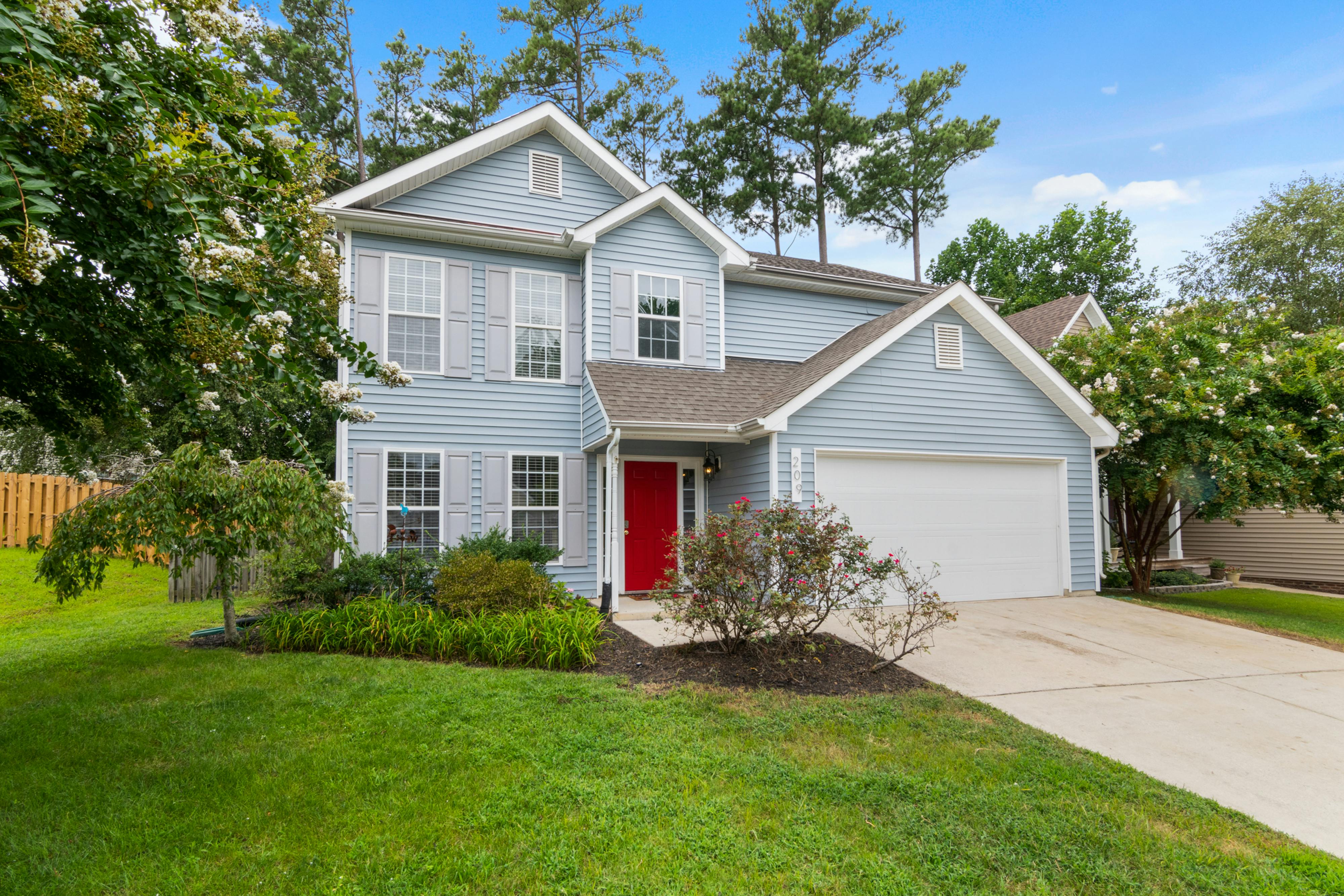

Regular exterior maintenance—inspecting and repairing siding, cleaning gutters, and checking the roof—protects your home from water damage and preserves curb appeal. Perform thorough inspections twice yearly, in spring and fall.
Your home’s exterior is its first line of defense against the elements. Regular inspection and maintenance of siding, roofing, paint, and outdoor structures prevents costly water damage and keeps your home looking its best. This guide covers everything you need to maintain your home’s exterior.
Seasonal Inspection Schedule
The foundation of exterior maintenance is regular inspection.
Spring Inspection (After Winter)
Winter weather reveals problems:
- Roof: Check for missing, damaged, or lifted shingles
- Gutters: Clean debris, check for ice damage
- Siding: Look for cracks, holes, or loose pieces
- Foundation: Check for new cracks or water stains
- Paint: Inspect for peeling, blistering, or bare spots
- Caulking: Check around windows, doors, and trim
- Landscaping: Ensure grading still directs water away from house
Fall Inspection (Before Winter)
Prepare for harsh weather:
- Gutters: Clean thoroughly before freeze
- Roof: Repair any damage before snow/ice
- Weatherstripping: Check doors and windows
- Exterior faucets: Winterize to prevent freezing
- Tree limbs: Trim branches near the roof
- Foundation vents: Close or cover crawl space vents (if recommended in your climate)
Take photos during each inspection. Comparing photos over time helps you spot gradual changes that might otherwise go unnoticed—like slowly settling foundation or progressive paint failure.
Siding Maintenance
Your siding protects your home’s structure. Different materials need different care.
Vinyl Siding
Most common and low-maintenance:
Cleaning:
- Rinse loose dirt with garden hose
- Mix mild soap (dish soap or vinyl siding cleaner) with water
- Scrub with soft brush from bottom up
- Rinse thoroughly from top down
- For mold/mildew: Use 1 part vinegar to 3 parts water
Repairs:
- Small holes: Fill with color-matched exterior caulk
- Cracks: May require piece replacement
- Loose panels: Re-lock into the panel below
- Warping: Usually from heat (grill too close, reflected sun)—may need replacement
Maintenance tips:
- Don’t power wash with high pressure (drives water behind siding)
- Keep grills and heat sources 10+ feet away
- Avoid harsh chemicals that can damage the finish
Wood Siding
Requires more maintenance but offers classic beauty:
Inspection points:
- Peeling, cracking, or flaking paint
- Rotted or soft spots (probe with screwdriver)
- Gaps between boards
- Staining from moisture
Cleaning:
- Use pressure washer on low setting (1200-1500 PSI max)
- Or scrub with mild detergent and brush
- Rinse thoroughly
Maintenance:
- Repaint or restain every 3-7 years
- Prime and paint bare wood immediately
- Fill small cracks with exterior wood filler
- Replace rotted sections promptly
Rot repair:
- Remove all soft, damaged wood
- Apply wood hardener to remaining wood
- Fill with epoxy wood filler
- Sand smooth when cured
- Prime and paint
Fiber Cement Siding (Hardie Board)
Durable but not maintenance-free:
Cleaning:
- Rinse with garden hose
- Scrub stubborn areas with soft brush
- Low-pressure washing is safe
Painting:
- Needs repainting every 10-15 years
- Use high-quality acrylic latex paint
- Prime bare areas first
Repairs:
- Fill small cracks with paintable caulk
- Large cracks or damage require piece replacement
- Cut and install new pieces carefully (it’s heavy and requires cement board tools)
Brick and Masonry
Very durable but not indestructible:
Inspection:
- Cracked or crumbling mortar
- Efflorescence (white mineral deposits)
- Spalling bricks (flaking surface)
- Cracks in bricks
Cleaning:
- Rinse with garden hose
- Scrub with stiff brush and water
- For efflorescence: Brush dry, then wash
- Avoid acid cleaners unless absolutely necessary
Tuckpointing (mortar repair):
- Remove loose mortar with chisel and hammer
- Clean out joints to 3/4” depth minimum
- Dampen joints
- Apply new mortar with tuckpointing tool
- Match original mortar color and profile
- Keep damp while curing
Don’t paint unpainted brick—once painted, you’re committed to repainting forever. The paint traps moisture and can cause the brick to deteriorate faster than if left natural.
Roof Inspection and Maintenance
Your roof is critical for home protection. Many inspections can be done from the ground.
Ground-Level Inspection
Using binoculars from the ground:
- Missing, cracked, or curling shingles
- Bare spots where granules have worn off
- Damaged flashing around chimneys, vents, skylights
- Sagging areas
- Debris accumulation
- Moss or algae growth
- Damaged or missing vent caps
Signs of Roof Problems
From inside:
- Water stains on ceilings
- Daylight visible through roof boards
- Sagging decking between rafters
From outside:
- Shingle granules in gutters
- Dark streaks (algae)
- Green growth (moss)
- Raised or buckled areas
Roof Maintenance Tasks
DIY safe tasks:
- Clear debris from valleys with broom or leaf blower
- Trim overhanging branches
- Clean gutters
- Remove moss with zinc or copper strips at ridge
Call a professional for:
- Walking on steep roofs
- Flashing repairs
- Shingle replacement
- Any structural concerns
When to Replace vs. Repair
Repair when:
- Damage is localized (a few shingles)
- Roof is less than 15 years old
- No underlying deck damage
Replace when:
- Widespread shingle failure
- Multiple layers already installed
- Roof deck is damaged
- Roof is 20+ years old with problems
Roof Lifespan by Material
- Asphalt 3-tab shingles: 15-20 years
- Architectural shingles: 25-30 years
- Metal roofing: 40-70 years
- Tile roofing: 50+ years
- Slate: 75-100+ years
Exterior Paint Maintenance
Paint protects wood and enhances appearance.
Inspection Points
Walk around your home looking for:
- Peeling, flaking, or blistering paint
- Chalking (powdery residue on paint)
- Fading or color changes
- Bare wood exposed
- Cracks in paint
- Mold or mildew growth
Touch-Up Painting
Address small areas before they spread:
- Scrape loose paint
- Sand edges to feather into sound paint
- Clean the area
- Prime bare wood
- Apply paint matching existing color
- Feather edges to blend
When to Repaint Entirely
Full repainting is needed when:
- More than 30% of surface needs touch-up
- Color is significantly faded
- Paint is consistently chalking
- Multiple areas show failure
Exterior Painting Preparation
Good prep is 80% of the job:
- Wash entire surface (pressure wash or scrub)
- Scrape all loose paint
- Sand glossy surfaces for adhesion
- Fill holes and cracks with exterior filler
- Prime all bare wood and filler
- Caulk gaps around trim, windows, doors
- Allow to dry completely before painting
Paint Selection
- Use 100% acrylic latex for durability
- Higher quality = longer life
- Flat or satin for body; semi-gloss for trim
- Choose colors that complement the neighborhood
Caulking and Sealing
Caulk is your first defense against water infiltration.
Where to Caulk
- Around window and door frames
- Where siding meets trim
- Around exterior light fixtures
- Where dissimilar materials meet
- Around pipe penetrations
- Corner joints
Caulking Technique
- Remove old caulk completely with caulk removal tool
- Clean surfaces with rubbing alcohol
- Apply painter’s tape for clean lines (optional)
- Cut tip at 45-degree angle, small opening
- Apply steady bead filling the gap
- Tool immediately with wet finger or caulk tool
- Remove tape before caulk skins over
Choosing Caulk
- Silicone: Most durable, not paintable
- Polyurethane: Very durable, paintable
- Acrylic latex: Easy to use, paintable, less durable
- Hybrid (silicone latex): Good balance of properties
Check your caulking every year. Failed caulk lets water behind siding, around windows, and into wall cavities—causing rot and mold that’s expensive to repair.
Deck and Patio Maintenance
Outdoor living spaces need regular care.
Wood Deck Maintenance
Annual inspection:
- Loose or popped screws/nails
- Cracked, split, or warped boards
- Rot in posts, joists, ledger board
- Wobbly railings
- Mold or mildew
- Faded finish
Cleaning:
- Sweep debris
- Apply deck cleaner per directions
- Scrub with stiff brush
- Rinse thoroughly
- Allow to dry completely (2-3 days)
Staining/Sealing:
- Reseal every 1-3 years depending on exposure
- Clean first—always
- Apply stain/sealer per manufacturer directions
- Don’t apply in direct sun or before rain
- Two thin coats better than one thick coat
Repairs:
- Replace damaged boards promptly
- Tighten loose fasteners with longer screws
- Add blocking under bouncy boards
- Structural issues need professional assessment
Composite Deck Maintenance
Lower maintenance but not no maintenance:
- Clean with composite deck cleaner
- Avoid pressure washing (can damage surface)
- Remove debris from gaps
- Address mold with appropriate cleaner
- No staining/sealing required
Concrete Patio Maintenance
Cleaning:
- Sweep regularly
- Pressure wash for deep cleaning
- Use concrete cleaner for stains
- Degrease oil spots with appropriate cleaner
Sealing:
- Apply concrete sealer every 2-3 years
- Clean thoroughly first
- Apply in thin, even coats
- Maintains appearance and prevents staining
Crack repair:
- Clean crack thoroughly
- Apply concrete crack filler
- Smooth with putty knife
- Allow to cure before sealing
Driveway and Walkway Maintenance
Concrete Driveways
Cleaning:
- Pressure wash annually
- Treat oil stains with degreaser
- Remove rust stains with oxalic acid-based cleaner
Crack repair:
- Clean crack of debris
- Use concrete crack filler for hairline cracks
- Use patching compound for larger cracks
- For heaving or significant damage, consider professional repair
Sealing:
- Seal every 2-3 years
- Clean thoroughly first
- Apply thin, even coats
- Keep traffic off until cured
Asphalt Driveways
Inspection:
- Cracks
- Potholes
- Edge crumbling
- Fading/graying
Maintenance:
- Fill cracks annually with asphalt crack filler
- Patch potholes with cold patch asphalt
- Seal every 2-4 years with asphalt sealer
Sealcoating process:
- Clean thoroughly (degrease oil spots)
- Fill cracks and holes first (allow to cure)
- Apply sealer in thin coats
- Work in sections for even coverage
- Allow 24-48 hours to cure
Paver Maintenance
- Sweep regularly
- Rinse with hose
- Re-sand joints as needed with polymeric sand
- Replace individual damaged pavers
- Reseal every 2-3 years to maintain color
Foundation Inspection
Your foundation supports everything. Catch problems early.
What to Look For
Outside:
- Cracks (vertical, horizontal, or stair-step)
- Bowing or bulging walls
- Water stains
- Efflorescence (white deposits)
- Gaps where foundation meets siding
Inside (basement/crawl space):
- Water stains or dampness
- Cracks in walls or floor
- Musty smell
- Pest evidence
- Bowing walls
Crack Assessment
Minor concerns (monitor but not urgent):
- Hairline cracks (under 1/8 inch)
- Vertical cracks from settling
- Shrinkage cracks in new concrete
Major concerns (call professional):
- Horizontal cracks (may indicate pressure)
- Stair-step cracks in block foundations
- Cracks wider than 1/4 inch
- Cracks that grow or shift
- Bowing walls
- Water actively entering through cracks
Foundation Maintenance
Proper drainage:
- Gutters directing water 6+ feet from foundation
- Ground sloping away from house (6 inches drop in 10 feet)
- No water pooling against foundation
Moisture control:
- Keep sprinklers from hitting foundation
- Maintain consistent soil moisture (avoid extreme dry/wet cycles)
- Ensure basement/crawl space is ventilated appropriately
Changes in foundation cracks are more significant than the cracks themselves. Mark the ends of cracks with dates and measure width periodically. Growing cracks need professional evaluation.
Window and Door Maintenance
Window Maintenance
Inspection:
- Cracked or broken glass
- Failed seals (fogging between panes)
- Deteriorating frames or sills
- Peeling paint
- Difficulty opening/closing
- Drafts
Maintenance tasks:
- Clean glass inside and out
- Lubricate tracks and hardware with silicone spray
- Check and replace weatherstripping
- Caulk around exterior trim
- Repaint wood frames as needed
- Clean weep holes (drainage holes in vinyl/aluminum)
Door Maintenance
Inspection:
- Weatherstripping condition
- Door sweep condition
- Threshold seal
- Hardware operation
- Finish condition
Maintenance tasks:
- Adjust hinges if door doesn’t close properly
- Replace worn weatherstripping
- Lubricate hinges and locks
- Refinish wood doors as needed
- Adjust strike plate for proper latching
Outdoor Structures
Fences
Wood fence maintenance:
- Inspect for rot, especially at ground level
- Check post stability
- Tighten or replace loose fasteners
- Stain/seal every 2-3 years
- Replace damaged sections promptly
Vinyl fence maintenance:
- Clean with soap and water
- Check for cracks or breaks
- Ensure posts are secure
- Replace damaged sections
Sheds and Outbuildings
Apply the same maintenance principles as your house:
- Inspect roof annually
- Check for rot and water intrusion
- Maintain paint/stain
- Ensure doors close properly
- Keep vegetation trimmed away
Retaining Walls
- Check for leaning or bulging
- Ensure weep holes are clear
- Check for erosion behind wall
- Address drainage issues
- Repoint mortar as needed (stone/brick walls)
Preventive Measures
Grading and Drainage
Water is your home’s biggest enemy:
- Ground should slope away from foundation
- Minimum 6 inches drop in first 10 feet
- Fill low spots that collect water
- Extend downspouts away from foundation
- Consider French drains for persistent problems
Vegetation Management
- Keep plants 1 foot from siding
- Trim bushes touching the house
- Remove vines from siding (they trap moisture)
- Keep trees trimmed away from roof
- Maintain mulch at 2-4 inch depth, 6 inches from foundation
Pest Prevention
- Seal gaps and cracks
- Keep wood (firewood, scraps) away from house
- Maintain screens on vents
- Address moisture issues (attracts insects)
- Schedule annual pest inspection in termite-prone areas
When to Call Professionals
Some exterior work requires expertise:
- Roof repairs beyond replacing a few shingles
- Foundation cracks showing structural concern
- Major structural repairs to decks or porches
- Large painting projects (multi-story, complex surfaces)
- Tree removal near structures
- Electrical (outdoor lighting, outlets)
- Major concrete work
Creating a Maintenance Calendar
Stay on top of exterior maintenance with a schedule:
Monthly:
- Walk around home looking for obvious issues
- Clean debris from window wells and foundation
Quarterly:
- Clean gutters (more in fall)
- Inspect caulking around windows/doors
- Check for pest activity
Biannually (Spring/Fall):
- Full exterior inspection
- Pressure wash siding and concrete
- Touch up paint as needed
Annually:
- Professional roof inspection (or detailed self-inspection)
- Clean and seal deck
- Service outdoor equipment
- Winterize/de-winterize outdoor faucets
Regular exterior maintenance protects your investment and prevents the small problems of today from becoming the expensive repairs of tomorrow. The few hours spent each season on inspection and maintenance pay off in a home that looks better, functions properly, and lasts longer.