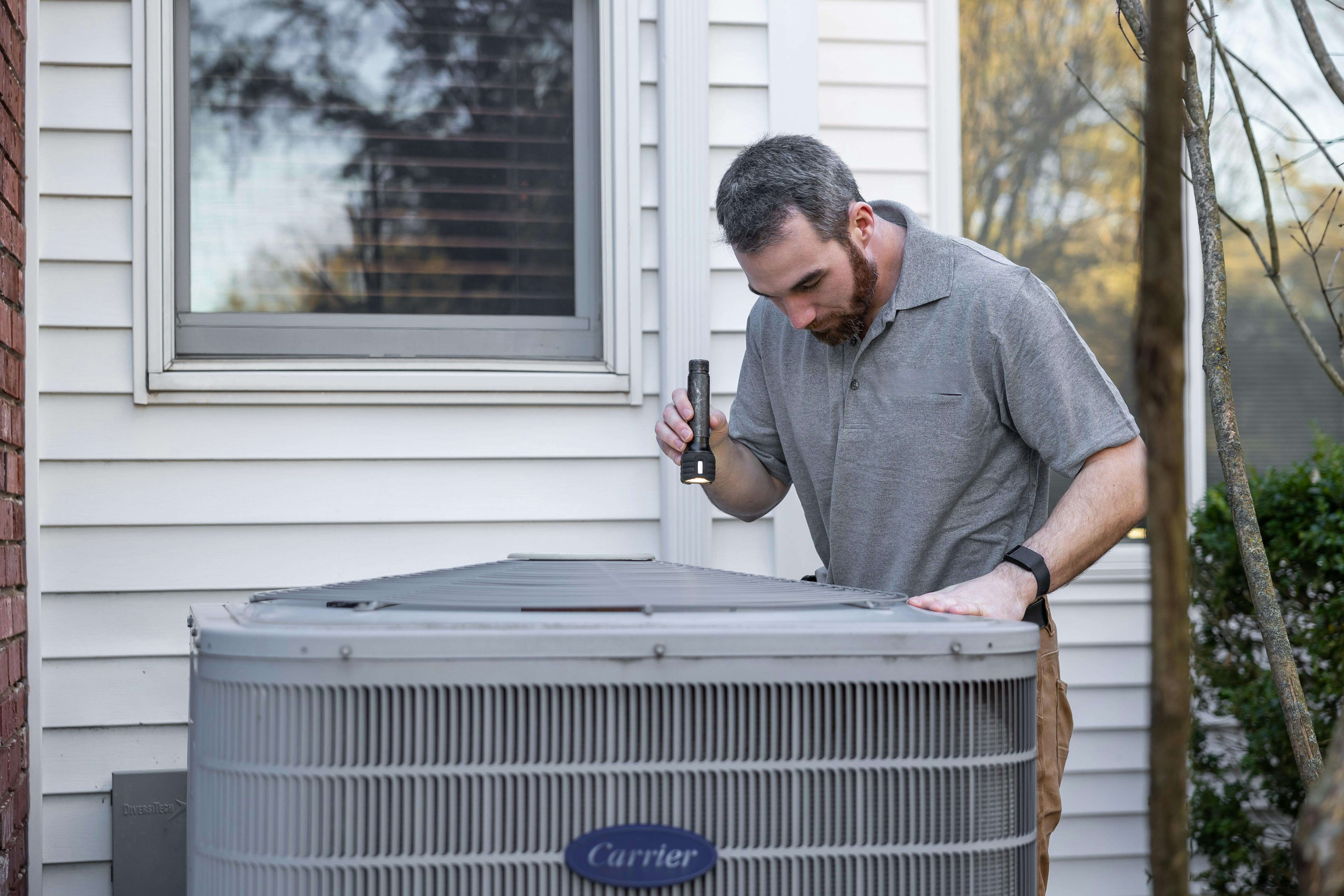
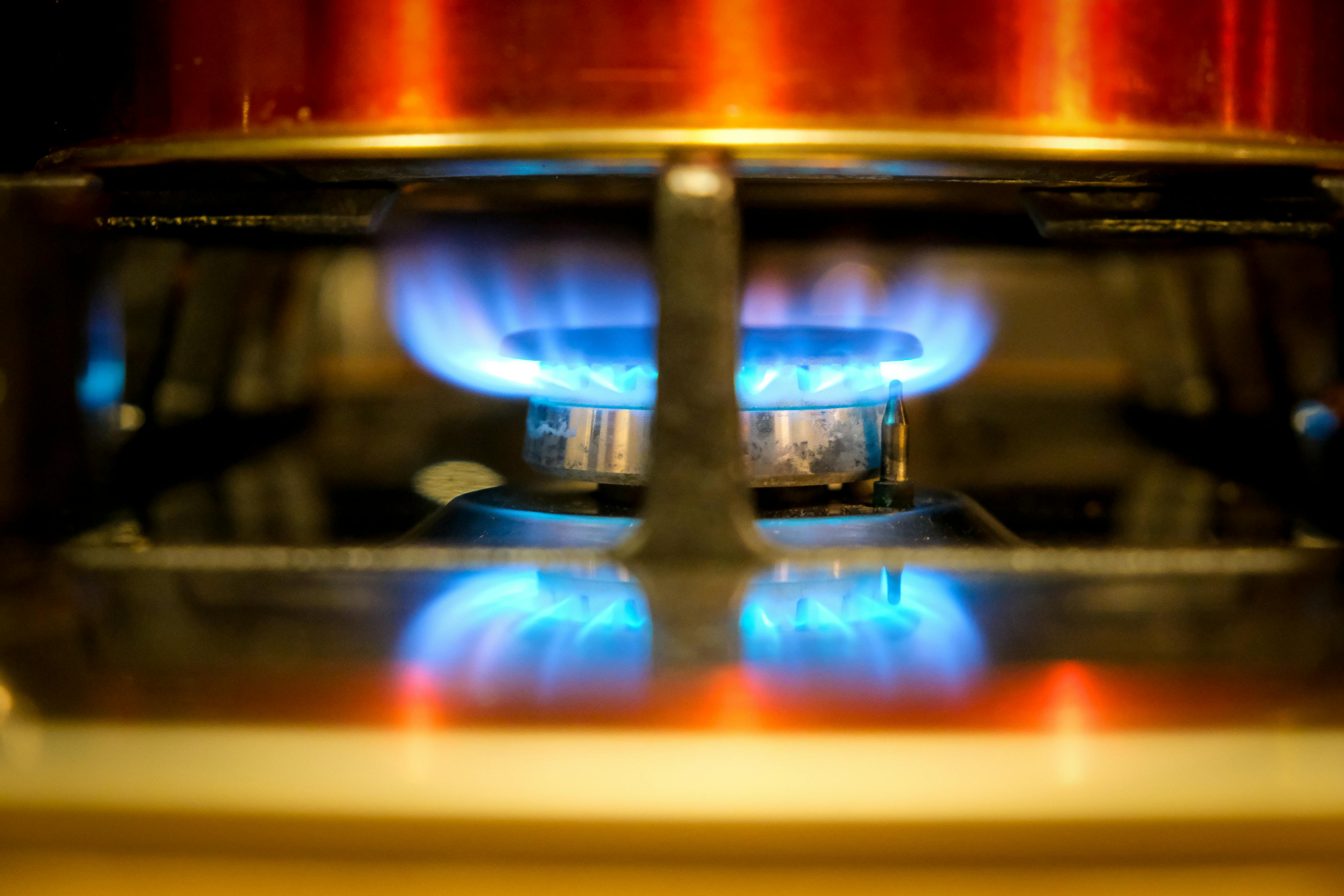
Check your thermostat settings, circuit breaker, gas supply, and air filter first. If those are fine, the issue is likely a faulty igniter or dirty flame sensor—common repairs that an HVAC technician can quickly fix.
A furnace that won’t ignite on a cold night is stressful, but many ignition problems have straightforward causes. This guide walks you through diagnosis steps from simple fixes to issues requiring professional service.
Safety First
Before troubleshooting:
- If you smell gas: Leave your home immediately, don’t use electrical switches or phones inside, and call your gas company and 911 from outside
- Never bypass safety controls: They exist to protect you
- Don’t attempt repairs on gas lines, valves, or electrical components unless you’re qualified
Modern furnaces have diagnostic LED lights that display error codes. Check your furnace’s access panel and owner’s manual—these codes often point directly to the problem.
Step 1: Check the Thermostat
Rule out thermostat issues first:
- Mode: Ensure it’s set to “Heat”
- Temperature: Set it at least 5 degrees above current room temperature
- Batteries: Replace them if your thermostat uses batteries
- Switch settings: Make sure the system switch is on “Heat” not “Off” or “Cool”
Listen for the furnace to respond when you adjust the thermostat. You should hear a click and then the system attempting to start.
Step 2: Check Power Supply
Furnaces need electricity even if they burn gas:
Circuit Breaker
- Check your electrical panel for tripped breakers
- Look for breakers labeled “Furnace” or “HVAC”
- Reset by flipping fully off, then on
Furnace Power Switch
- Many furnaces have a dedicated switch nearby (looks like a light switch)
- Ensure it’s in the “On” position
Check the Blower Door
- The access panel must be fully closed
- Most furnaces have a safety switch that prevents operation if the panel is open
Step 3: Check the Gas Supply
Your furnace needs gas to ignite:
Gas Valve
- Locate the gas valve on the supply line near the furnace
- The handle should be parallel to the pipe (on)
- Perpendicular means the gas is off
Other Gas Appliances
- Check if other gas appliances work (stove, water heater)
- If nothing works, you may have a gas supply issue—contact your gas company
Gas Account
- Ensure your gas service is active (especially if you recently moved in)
Step 4: Check the Air Filter
A severely clogged filter can prevent ignition:
- Locate and remove the filter
- If it’s extremely dirty, replace it
- Try starting the furnace again
Some furnaces have safety controls that prevent operation when airflow is too restricted.
Step 5: Look for Error Codes
Most modern furnaces have diagnostic lights:
- Locate the small viewing window on the furnace
- Look for a flashing LED light
- Count the blink pattern (e.g., 3 flashes, pause, repeat)
- Check your owner’s manual for the error code meaning
Common error codes often indicate:
- Igniter failure
- Flame sensor issues
- Pressure switch problems
- Limit switch triggered
Common Ignition Problems
Failed Igniter
Signs: Furnace attempts to start, you hear the inducer motor, but no ignition occurs
Modern furnaces use hot surface igniters that glow red-hot to ignite gas. These are consumable parts that typically last 3-7 years. Replacement is straightforward for a technician.
Dirty Flame Sensor
Signs: Furnace ignites briefly then shuts off within seconds
The flame sensor confirms that gas has ignited. When dirty, it can’t detect the flame and shuts down gas flow as a safety measure. A technician can clean or replace the sensor.
Ignition Control Board Issues
Signs: No response when thermostat calls for heat, erratic operation
The control board manages the ignition sequence. If it fails, the furnace won’t even attempt to ignite.
Gas Valve Problems
Signs: Igniter glows but no gas reaches the burner
The gas valve may be stuck or the valve coil may have failed.
If your furnace ignites but then shuts off after a few seconds, the flame sensor is the most likely culprit. This is one of the most common furnace repairs.
What the Ignition Sequence Should Look Like
Understanding normal operation helps identify problems:
- Thermostat calls for heat
- Inducer motor starts: You should hear a humming/whirring sound
- Pressure switch closes: Confirms proper venting
- Igniter activates: May see a glow through the sight window
- Gas valve opens: Gas flows to burners
- Ignition occurs: You should see flames
- Flame sensor confirms ignition
- Blower motor starts: After a short delay to let heat build up
If the sequence stops at any point, that indicates where the problem lies.
When to Call a Professional
Call an HVAC technician for:
- Error codes you can’t resolve: Professional diagnostic tools can pinpoint issues
- Repeated ignition failures: Could indicate multiple problems
- Gas odors: Even faint gas smells warrant professional inspection
- Unusual sounds or smells during operation: Banging, screeching, or burning smells
- Any repair involving gas lines or electrical components
Temporary Heating Solutions
While waiting for repair:
- Use portable electric space heaters safely (keep away from flammable materials)
- Close off unused rooms to contain heat
- Use extra blankets
- Never use gas ovens, grills, or generators for indoor heating—carbon monoxide risk
Prevention
Reduce future ignition problems:
- Annual maintenance: Have your furnace professionally serviced each fall
- Change filters regularly: Monthly during heating season
- Keep the area clear: Maintain space around the furnace
- Address problems promptly: Small issues become big repairs