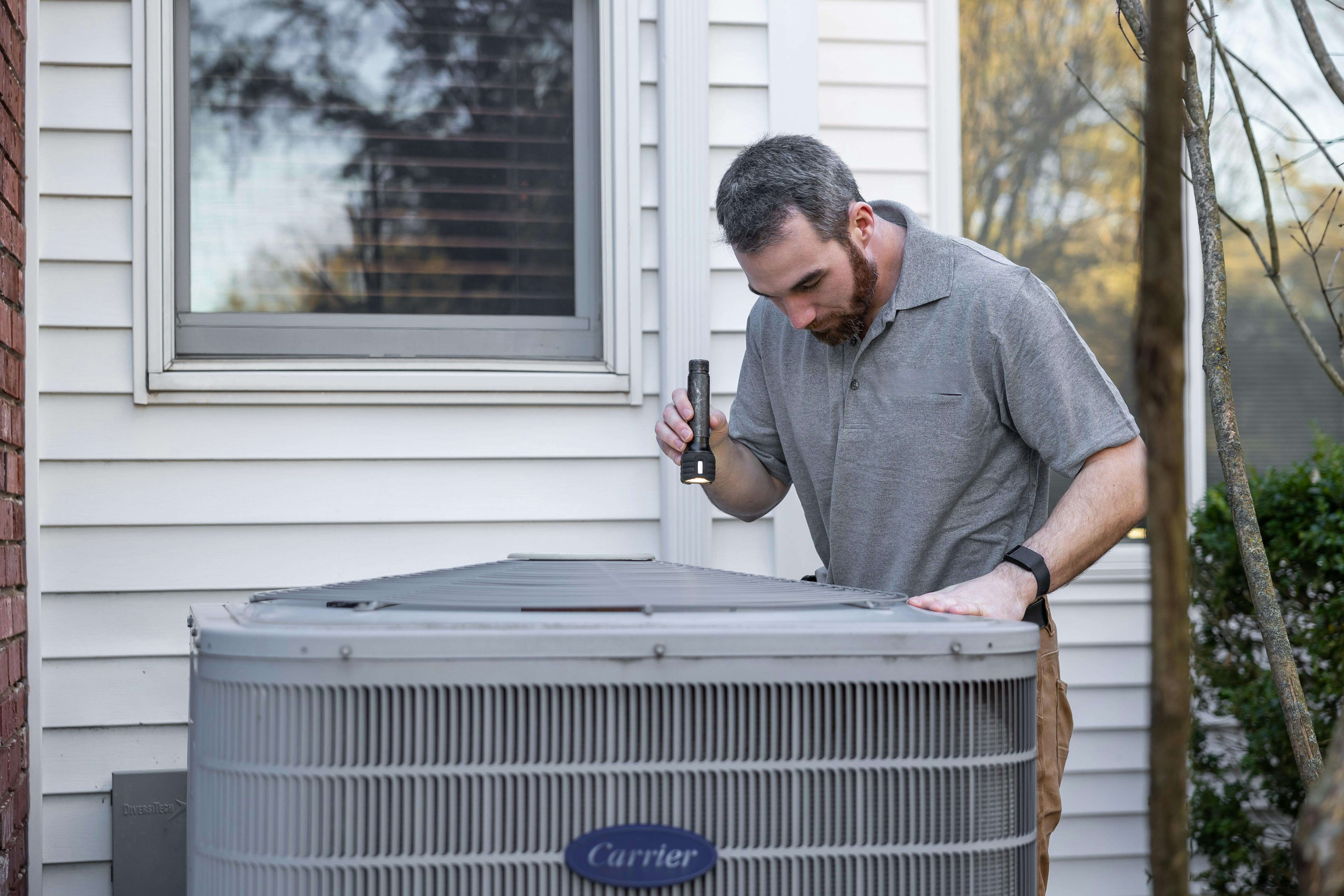
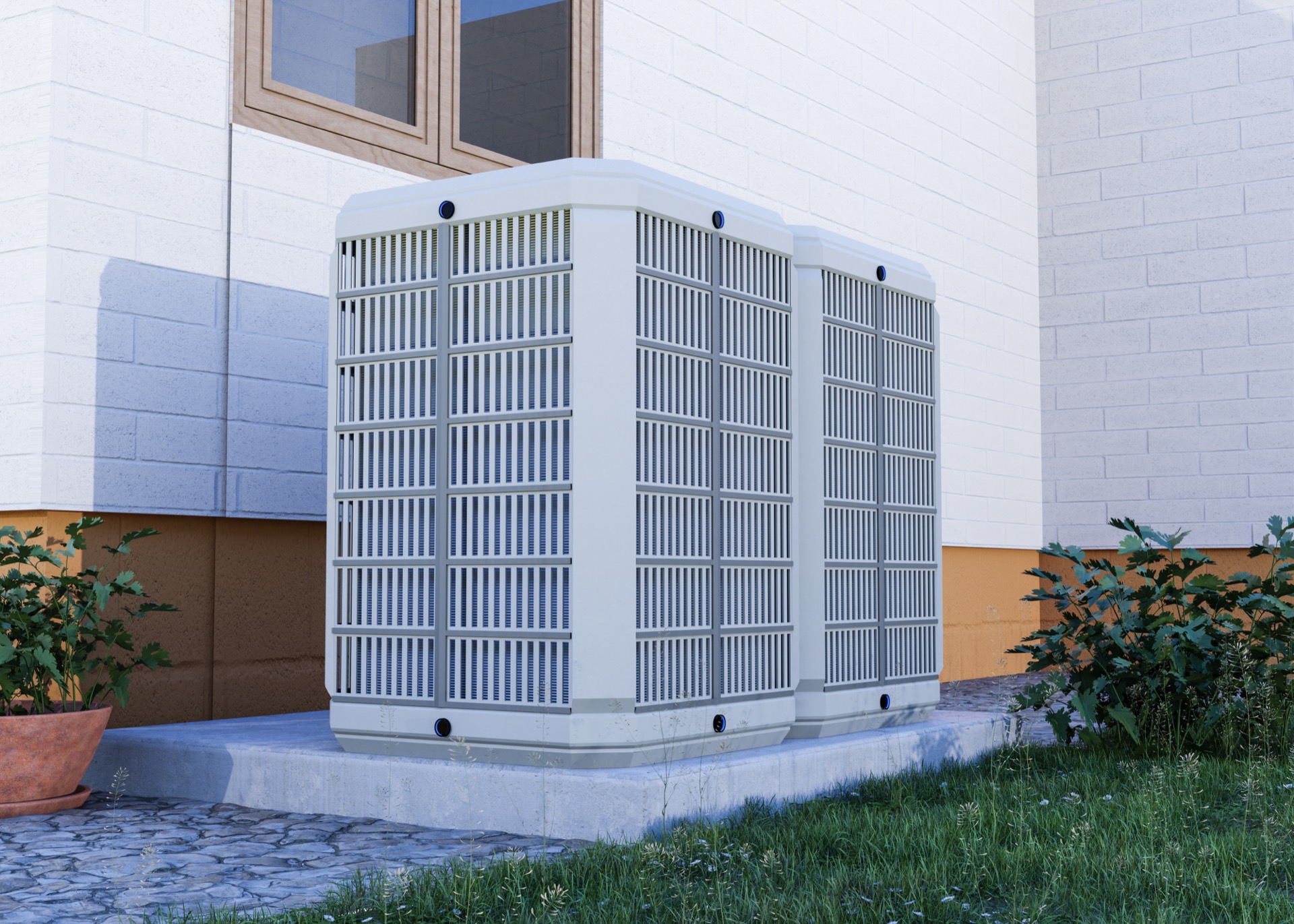
Regular HVAC maintenance—including filter changes every 1-3 months, seasonal inspections, and annual professional tune-ups—can extend your system’s life by 5-10 years and reduce energy costs by 15-25%.
Your HVAC (Heating, Ventilation, and Air Conditioning) system is one of the most important—and expensive—systems in your home. Proper maintenance not only keeps you comfortable year-round but also prevents costly breakdowns, improves air quality, and reduces energy bills. This comprehensive guide covers everything homeowners need to know about maintaining their HVAC system.
Understanding Your HVAC System
Before diving into maintenance tasks, it helps to understand the basic components of your HVAC system:
Heating Components
- Furnace or Heat Pump: The primary heating source that generates warm air
- Heat Exchanger: Transfers heat from combustion gases to the air (in gas furnaces)
- Burners: Where fuel combustion occurs in gas or oil furnaces
- Blower Motor: Circulates heated air through the ductwork
Cooling Components
- Condenser Unit: The outdoor unit that releases heat from your home
- Evaporator Coil: The indoor coil where refrigerant absorbs heat from indoor air
- Compressor: Pumps refrigerant between indoor and outdoor units
- Refrigerant Lines: Copper tubes connecting indoor and outdoor components
Shared Components
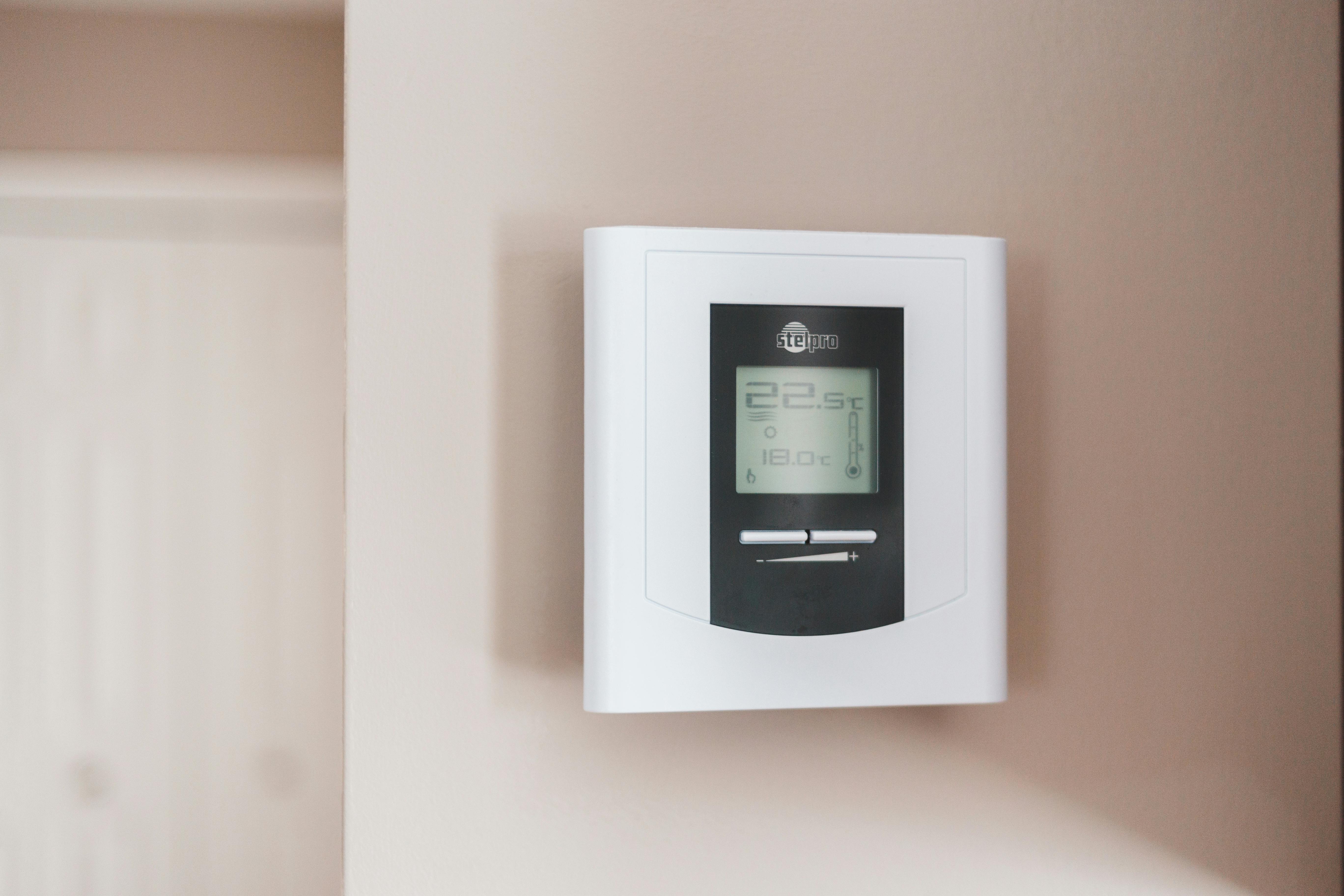
- Thermostat: Controls temperature settings and system operation
- Ductwork: Distributes conditioned air throughout your home
- Air Filter: Removes particles from circulating air
- Vents and Registers: Openings where air enters and exits rooms
Essential Maintenance Tasks
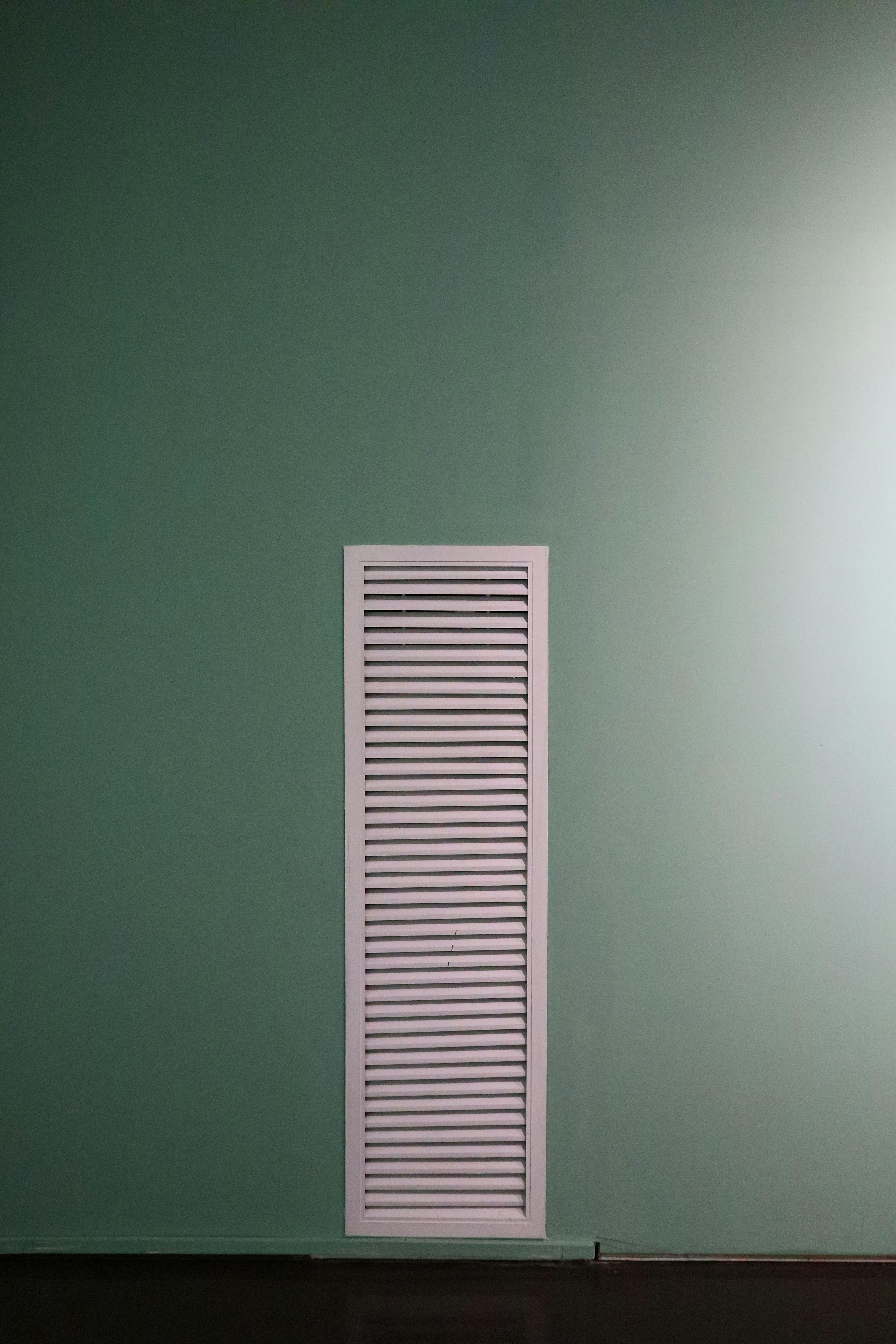
1. Air Filter Maintenance
The air filter is the single most important maintenance item for your HVAC system. A clogged filter restricts airflow, forcing your system to work harder and potentially causing damage.
How to check and replace your filter:
- Locate your filter—typically in the return air duct, air handler, or furnace
- Note the filter size printed on the frame (e.g., 16x25x1)
- Check the filter monthly by holding it up to light
- Replace when you can no longer see light through it or per manufacturer guidelines
Filter replacement frequency:
- Basic fiberglass filters: Every 30 days
- Pleated filters: Every 60-90 days
- High-efficiency filters (HEPA): Every 6-12 months
- Adjust frequency for pets, allergies, or high usage
Buy filters in bulk to save money and ensure you always have replacements on hand. Set a recurring calendar reminder for filter checks.
2. Thermostat Maintenance
Your thermostat is the brain of your HVAC system. Proper setup and maintenance ensures accurate temperature control and energy efficiency.
Basic thermostat maintenance:
- Clean the thermostat cover with a soft, dry cloth
- Check battery levels in battery-powered units (replace annually)
- Verify temperature accuracy with a separate thermometer
- Ensure nothing blocks airflow around the thermostat
Programmable thermostat tips:
- Set schedules that match your actual routine
- Use setback temperatures when away or sleeping (68°F heating, 78°F cooling)
- Consider upgrading to a smart thermostat for additional savings
- Don’t override the program constantly—this defeats the purpose
3. Outdoor Unit Maintenance
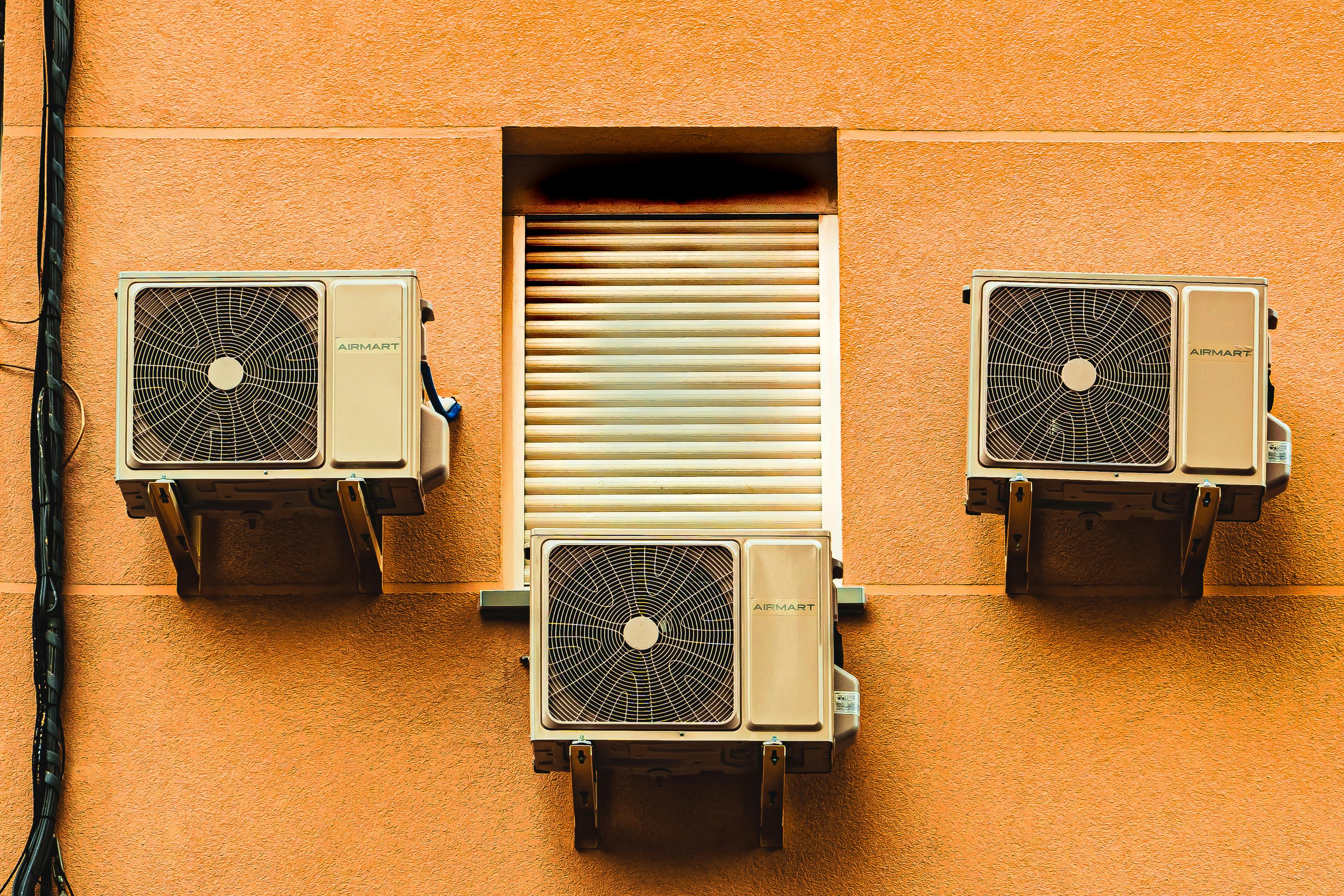
The condenser unit (outdoor unit) needs clear airflow to operate efficiently. Regular cleaning and clearing prevents efficiency losses and component damage.
Monthly outdoor unit tasks:
- Remove debris like leaves, grass clippings, and twigs from around the unit
- Maintain 2 feet of clearance on all sides
- Trim vegetation away from the unit
- Ensure the unit is level (check annually)
Seasonal deep cleaning:
- Turn off power to the unit at the disconnect switch and breaker
- Remove large debris by hand
- Use a garden hose to gently spray coils from inside out
- Allow to dry completely before restoring power
- Do NOT use a pressure washer—it can damage the delicate fins
Cover your AC condenser with a breathable cover in winter to protect it from debris—but remove the cover before spring operation or you’ll damage the system.
4. Indoor Component Maintenance
Indoor maintenance focuses on the air handler, evaporator coil, and associated components.
Tasks you can do yourself:
- Keep supply and return vents open and unobstructed
- Vacuum vent covers to remove dust buildup
- Check the condensate drain line for clogs (pour a cup of vinegar through monthly during cooling season)
- Listen for unusual sounds during operation
- Ensure access panels are properly secured
Tasks requiring professional service:
- Evaporator coil cleaning (located inside air handler)
- Blower motor maintenance and lubrication
- Electrical connection inspection
- Refrigerant level checks
5. Ductwork Maintenance
Your duct system distributes conditioned air throughout your home. Leaky or dirty ducts significantly reduce efficiency.
Basic duct maintenance:
- Visually inspect accessible ductwork for disconnections or damage
- Feel for air leaks at duct connections and seams
- Seal small leaks with mastic sealant or metal tape (not standard duct tape)
- Ensure duct insulation is intact, especially in unconditioned spaces
- Consider professional duct cleaning every 3-5 years or after renovations
Signs you need duct attention:
- Rooms that are consistently too hot or cold
- Excessive dust in your home
- Higher than expected energy bills
- Visible mold growth near vents
Seasonal Maintenance Checklists
Spring: Preparing for Cooling Season
Complete these tasks before turning on your AC for the first time:
- Replace or clean the air filter
- Clear debris from around the outdoor condenser
- Clean condenser coils with a garden hose
- Check condensate drain line for blockages
- Test the AC by setting thermostat 5 degrees below current temperature
- Listen for unusual sounds during startup
- Verify cool air is flowing from all vents
- Schedule professional AC tune-up
Fall: Preparing for Heating Season
Get your heating system ready before cold weather arrives:
- Replace or clean the air filter
- Test the heating system before you need it
- Check for unusual smells during initial startup (slight dust burning is normal)
- Verify warm air flows from all vents
- Check carbon monoxide detectors
- Inspect visible flue pipes for damage or disconnection
- Clear area around furnace (maintain 3-foot clearance)
- Schedule professional furnace tune-up
Monthly Tasks (Year-Round)
- Check air filter condition
- Listen for unusual system sounds
- Monitor energy bills for unexpected increases
- Check thermostat operation
- Ensure vents are unobstructed
Professional Maintenance
While many maintenance tasks are DIY-friendly, annual professional service is essential for optimal performance and longevity.
What Professional Maintenance Includes
Cooling system tune-up (spring):
- Refrigerant level check and adjustment
- Electrical connection inspection and tightening
- Condenser and evaporator coil cleaning
- Blower motor inspection and lubrication
- Thermostat calibration
- System performance testing
- Safety control verification
Heating system tune-up (fall):
- Heat exchanger inspection for cracks (critical safety check)
- Burner cleaning and adjustment
- Ignition system inspection
- Gas pressure verification
- Electrical connection inspection
- Blower motor inspection
- Safety control testing
- Carbon monoxide testing
When to Call a Professional Immediately
Contact an HVAC professional right away for:
- Burning smell (not dust burning smell at seasonal startup)
- Gas smell near your furnace
- System won’t turn on at all
- Frequent cycling on and off
- Ice on refrigerant lines or coils
- Water pooling around indoor unit
- Electrical issues like tripped breakers
- Strange sounds like banging, screeching, or grinding
- No heat or cooling despite system running
If you smell gas or suspect a carbon monoxide leak, leave your home immediately and call your gas company and 911 from outside. Don’t use electrical switches or phones inside the home.
Energy Efficiency Tips
Maximize your system’s efficiency and minimize energy costs with these practices:
Temperature Settings
- Summer: Set AC to 78°F when home, higher when away
- Winter: Set heat to 68°F when home, lower when away or sleeping
- Each degree of setback can save 1-3% on energy costs
Airflow Optimization
- Keep all supply and return vents open and unobstructed
- Don’t close vents in unused rooms (this can damage your system)
- Use ceiling fans to improve air circulation
- Seal air leaks around windows and doors
System Upgrades to Consider
- Programmable thermostat: Automatically adjusts temperature based on schedule
- Smart thermostat: Learns your preferences and optimizes automatically
- Zoning system: Heats/cools different areas independently
- Variable-speed equipment: Runs more efficiently at partial capacity
Common Issues and Troubleshooting
AC Running But Not Cooling
- Check thermostat settings (should be set to “cool”)
- Verify air filter isn’t clogged
- Check if outdoor unit is running
- Look for ice on refrigerant lines (indicates low refrigerant)
- Clear any debris from around outdoor unit
If these steps don’t help, call a professional—you may have low refrigerant or a compressor issue.
Furnace Not Producing Heat
- Check thermostat settings and batteries
- Verify the furnace switch is on
- Check the circuit breaker
- Look at the furnace error codes (if applicable)
- Make sure gas valve is open (handle parallel to pipe)
- Check if the pilot light is lit (older systems)
If the furnace still won’t heat, contact a professional—the issue may be the igniter, flame sensor, or control board.
Uneven Temperatures Throughout Home
- Check for blocked or closed vents
- Verify duct connections are intact
- Consider the impact of sun exposure on certain rooms
- Check insulation in problem areas
- Discuss zoning options with an HVAC professional
Knowing When to Replace Your System
HVAC systems typically last 15-20 years with proper maintenance. Consider replacement when:
- Age: System is over 15 years old
- Frequent repairs: Repair costs exceed 50% of replacement cost
- Rising energy bills: Efficiency has noticeably declined
- Uneven comfort: System can’t maintain consistent temperatures
- R-22 refrigerant: Older AC units use this phased-out refrigerant
- Excessive noise: System has become noticeably louder
When replacing, consider high-efficiency units (SEER 16+ for AC, AFUE 95%+ for furnaces) for long-term energy savings. Get multiple quotes and ask about rebates and tax credits for energy-efficient equipment.
Conclusion
Regular HVAC maintenance is one of the best investments you can make in your home. By following this guide—changing filters regularly, performing seasonal maintenance, and scheduling annual professional tune-ups—you’ll enjoy reliable comfort, lower energy bills, and a system that lasts years longer than a neglected one.
Remember: when in doubt, call a professional. Your safety and your system’s longevity are worth the investment in expert service.