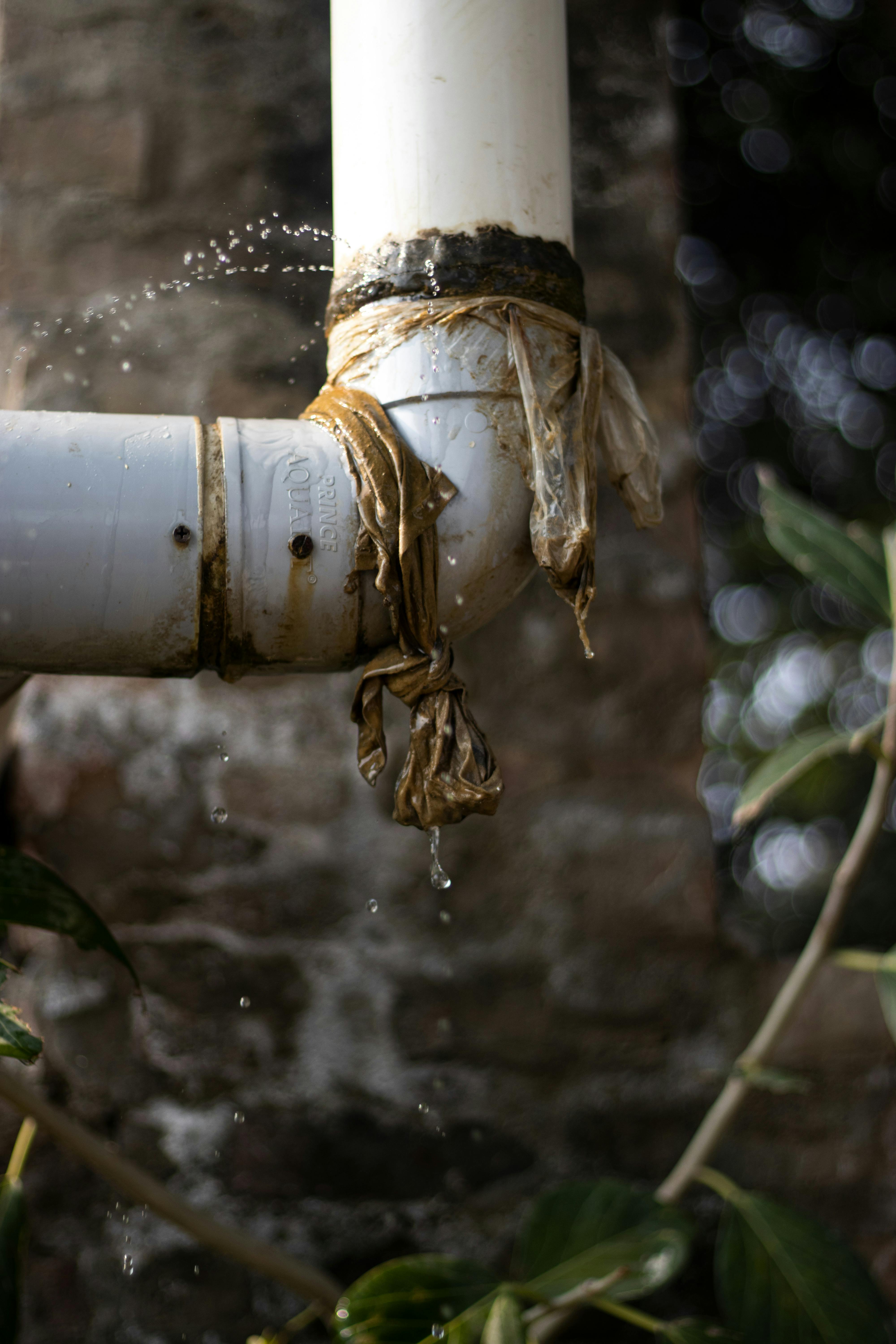
When temperatures drop below 32°F, insulate exposed pipes. Below 20°F, let faucets drip, open cabinet doors, and maintain heat at 55°F minimum even when away. Below 0°F, add heat tape to vulnerable pipes and take all precautions. Prevention is far cheaper than burst pipe damage.
Frozen pipes are one of the most expensive homeowner headaches—a single burst pipe can cause tens of thousands of dollars in water damage. The good news: frozen pipes are almost entirely preventable with the right preparation.
Know Your Vulnerable Pipes
Not all pipes are equally at risk. Focus your protection efforts on the most vulnerable.
Highest Risk Pipes
Pipes in exterior walls: These are shielded only by exterior siding and minimal insulation
Pipes in unheated areas: Garages, crawl spaces, attics, basements, unheated utility rooms
Outdoor faucets and hose bibs: Directly exposed to the elements
Pipes near windows or vents: Cold air infiltration lowers local temperature
Pipes in cabinets against exterior walls: Kitchen sink, bathroom vanity if on outside wall
Moderate Risk Pipes
Pipes in heated interior spaces: Generally safe but vulnerable during heating failures
Pipes in insulated walls: Better protected but not immune in extreme cold
Low Risk Pipes
Interior pipes away from exterior walls: Your safest pipes
Underground pipes below frost line: Protected by ground temperature
Temperature-Based Action Plan
Different temperatures call for different measures.
When Forecast Is 32°F to 25°F
Basic precautions:
- Disconnect and drain outdoor hoses
- Close interior shut-off valves to outdoor faucets (if equipped)
- Open outdoor faucet to drain remaining water
- Check that garage doors close fully
- Inspect weather stripping on doors and windows
When Forecast Is 25°F to 20°F
Moderate precautions (add to above):
- Open cabinet doors under sinks on exterior walls
- Ensure adequate insulation in crawl spaces and attics
- Check that attic hatch or door seals well
- Consider running water minimally through seldom-used fixtures
The kitchen sink is often the most vulnerable fixture because the pipes run through an exterior wall behind the cabinet. Leave those cabinet doors open whenever temperatures drop below freezing.
When Forecast Is 20°F to 0°F
Serious precautions (add to above):
- Let faucets drip slowly (both hot and cold on two-handle faucets)
- Focus dripping on faucets with pipes on exterior walls
- Maintain heat at 55°F minimum, even when away or sleeping
- Add supplemental heat to extremely cold areas (garage, crawl space)
- Check on elderly neighbors who may have turned heat too low
When Forecast Is Below 0°F
Maximum precautions (add to above):
- Increase water drip to a thin stream
- Use heat tape or heat cables on exposed pipes
- Run space heaters in vulnerable areas (safely positioned)
- Consider shutting off and draining vulnerable lines entirely
- Stay home if possible to monitor
Insulating Pipes
Proper insulation is your first line of defense.
Pipe Insulation Options
Foam pipe sleeves (most common):
- Easy to install—just slide over pipes
- Available in different diameters
- R-value of 2-3
- Costs $2-5 per 6-foot section
Fiberglass pipe wrap:
- More labor-intensive
- Better for irregular shapes
- Higher R-value
- Must stay dry to be effective
Heat tape/heat cables:
- Electrically heated wrap
- Thermostatically controlled
- For severe cold or problematic pipes
- Requires electrical outlet
Installation Tips
- Measure pipe diameter before buying
- Cover all exposed pipe, including fittings
- Seal all joints with duct tape or wire
- Don’t compress insulation—it needs its thickness to work
- Focus on cold-side pipes first (supply side)
Pay attention to pipe hangers and supports—these metal contact points conduct cold directly to the pipe. Slip insulation behind or around hangers too.
Letting Faucets Drip
This doesn’t prevent freezing—it prevents bursting.
Why It Works
When water freezes, it expands. In a closed pipe, this creates tremendous pressure between the ice blockage and the closed faucet. That pressure causes the burst, not the ice itself.
A dripping faucet:
- Relieves pressure buildup
- Keeps water moving slightly
- Provides an outlet if ice does form
How Much Should It Drip?
- Light freeze warning: Slow drip (drop every few seconds)
- Hard freeze: Steady drip (continuous drops)
- Extreme cold: Thin stream (pencil-width)
Which Faucets?
Prioritize:
- Faucets on exterior walls
- Kitchen sink (often most vulnerable)
- Bathroom faucets away from the center of the house
- Any fixture that has frozen before
If Pipes Are Already Frozen
Act quickly but carefully.
Signs of Frozen Pipes
- No water or only a trickle from faucet
- Visible frost on exposed pipes
- Unusual sounds when opening faucet
- Bulging or cracked pipe visible
What to Do
- Keep the faucet open: Water needs somewhere to go as it thaws
- Locate the freeze: Feel along accessible pipes for very cold sections
- Apply heat gently: Start at the faucet and work toward the freeze
Safe heat sources:
- Hair dryer
- Heat lamp
- Portable space heater (positioned safely)
- Electric heating pad
- Towels soaked in hot water
NEVER use:
- Propane torch or open flame
- Blowtorch
- Charcoal stove
- Any open flame device
- Check for leaks: As the pipe thaws, watch for water escaping from cracks
- Apply heat until full water pressure restores
If the frozen section is behind a wall or ceiling, try heating the wall with a space heater or infrared lamp. If you can’t access the pipe and it won’t thaw, call a plumber before it bursts.
When Frozen Pipes Need a Pro
- You can’t locate the frozen section
- Pipe is inside a wall or ceiling you can’t access
- Water comes out brown or discolored after thawing (possible damage)
- Pipe has visibly cracked or burst
- Multiple locations are frozen simultaneously
Long-Term Prevention
Beyond temporary measures, consider permanent improvements.
Insulation Upgrades
- Add insulation to crawl spaces and attics
- Insulate exterior wall cavities where pipes run
- Seal air leaks around pipes entering heated spaces
- Install foam gaskets behind outlet covers on exterior walls
Plumbing Modifications
- Relocate pipes from exterior walls to interior walls
- Install freeze-proof outdoor faucets (sillcock)
- Add additional shut-off valves for isolated sections
- Install indoor shut-offs for outdoor faucets
Heating Additions
- Add a permanent electric heater to crawl space
- Install permanent heat tape on vulnerable pipes
- Ensure adequate heat reaches all areas with plumbing
Smart Monitoring
- Water leak sensors with alerts
- Smart thermostat with low-temperature warnings
- Automatic water shut-off systems
- Temperature monitors in vulnerable areas
Special Situations
Leaving Home in Winter
If leaving for more than a day during cold weather:
- Keep heat at 55°F minimum
- Open cabinet doors
- Have someone check the house
- Consider draining the system entirely for extended absence
- Know where your main shut-off is (and label it)
Vacant Properties
Winterizing a vacant property:
- Shut off water at the main
- Open all faucets to drain
- Flush toilets and sponge remaining tank water
- Add RV antifreeze to toilet bowls, P-traps, and drains
- Drain the water heater
- Maintain minimal heat or completely drain and winterize
Power Outage
No heat means pipe freeze risk:
- Use fireplace or wood stove if available
- Drain pipes if outage will be extended in cold weather
- Let faucets drip even without power (relieves pressure)
- Insulate pipes with blankets as temporary measure
Costs of Prevention vs. Repair
| Prevention Measure | Cost |
|---|---|
| Foam pipe insulation | $10-50 |
| Heat tape | $20-50 |
| Faucet covers | $5-10 each |
| Professional pipe relocation | $500-2,000 |
| Repair Cost | Amount |
|---|---|
| Burst pipe repair | $150-500 |
| Water damage restoration | $2,000-10,000+ |
| Mold remediation | $1,500-5,000+ |
| Insurance deductible | $500-2,500 |
Prevention always wins economically.
Next Steps
Make sure you know where all your shut-off valves are located before an emergency. For complete plumbing maintenance guidance, see our Plumbing Fixes Guide. If you have low water pressure after a cold spell, pipes may have been damaged even without an obvious burst.