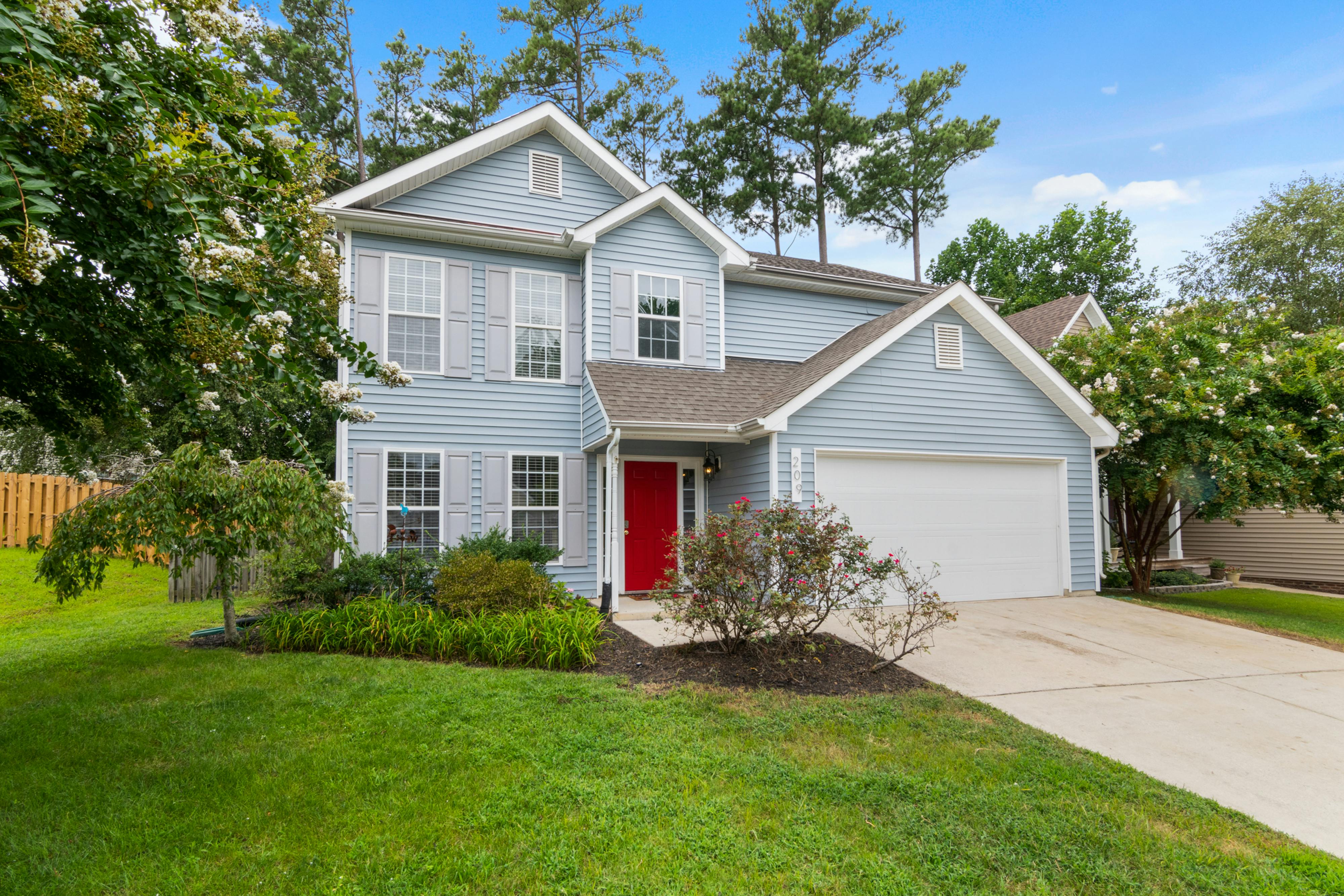
Pressure washing siding requires matching PSI to your siding type—typically 1,300-1,600 PSI for vinyl, 1,200-1,500 PSI for wood. Use a 25° (green) or 40° (white) nozzle, maintain 12-18 inches distance, and spray at a downward angle to prevent water intrusion. Apply soap bottom-to-top, rinse top-to-bottom.
Pressure washing removes years of dirt, mold, and mildew in just a few hours. The keys are using the right pressure for your siding material, maintaining proper distance, and never spraying upward under siding laps.
What You’ll Need
Equipment:
- Pressure washer: 1,300-3,000 PSI (electric for 1-story; gas for 2-story)
- GPM (gallons per minute): 1.5-2.5 minimum
- Nozzle set (black, white, green tips)
- Extension wand (6-12 ft) for second stories
- Garden hose, detergent injector
Materials:
- Cleaning solution
- Plastic sheeting and tape for outlets
- Tarps for landscaping
PSI Settings by Surface
| Surface | PSI Range | Nozzle | Distance |
|---|---|---|---|
| Vinyl siding | 1,300-1,600 | 25° (green) | 12-18 inches |
| Wood siding | 1,200-1,500 | 25° (green) | 18-24 inches |
| Brick | 2,000-3,000 | 15° (yellow) | 12 inches |
| Concrete | 2,500-3,000 | 15° (yellow) | 8-12 inches |
| Deck (wood) | 500-1,200 | 40° (white) | 18-24 inches |
| Stucco | 800-1,500 | 40° (white) | 24-36 inches |
| Aluminum | 1,200-1,500 | 25° (green) | 12-18 inches |
Nozzle Color Guide
| Color | Angle | Use For |
|---|---|---|
| Black | 65° (soap) | Applying detergents |
| White | 40° | Delicate surfaces, rinsing—best for beginners |
| Green | 25° | General cleaning, most siding |
| Yellow | 15° | Tough stains on hard surfaces only |
| Red | 0° | NEVER use on siding |
Start with the white 40° nozzle at 2 feet distance, then move closer and switch to green 25° only if needed. It’s easier to increase pressure than repair damage from too much.
Step-by-Step: Pressure Washing Siding
Step 1: Preparation (Critical)
- Inspect siding for cracks or loose pieces—repair before washing to prevent water intrusion
- Close all windows and doors
- Turn off power to outdoor electrical outlets
- Cover outlets, light fixtures, and vents with plastic sheeting and tape
- Pre-soak landscaping and cover with tarps
Step 2: Set Up Equipment
- Connect garden hose to pressure washer water inlet
- Attach pressure hose to outlet
- Insert chemical injector hose into cleaning solution bucket
- Start with black (soap) nozzle attached
- Test all connections before starting
Step 3: Apply Cleaning Solution
- Use BLACK nozzle (low pressure, soap tip)
- Work from BOTTOM to TOP to prevent streaking
- Apply in smooth, overlapping horizontal strokes
- Allow solution to dwell 5-10 minutes
- DO NOT let it dry—work in sections on hot days
Step 4: Rinse the Siding
- Switch to WHITE (40°) or GREEN (25°) nozzle
- Work from TOP to BOTTOM
- Maintain 12-18 inches distance (start at 2 feet, move closer as needed)
- Spray at 45-degree DOWNWARD angle
- NEVER spray upward under siding—forces water into walls
- Use steady, overlapping side-to-side strokes
Step 5: Stubborn Areas
For tough stains, use a stiff bristle brush with cleaning solution rather than increasing pressure.
For second stories: Use extension wand—NEVER use a ladder with a running pressure washer.
Cleaning Solution Options
TSP (Trisodium Phosphate):
- General cleaning: 1/4 cup per 2 gallons warm water
- Heavy-duty: 1/2 cup per 2 gallons warm water
Bleach for Mold/Mildew:
- Standard: 1 part bleach to 10 parts water
- Heavy mold: 1 part bleach to 3 parts water
Eco-Friendly Alternative:
- 70% water + 30% white vinegar (effective for light mold)
Commercial Cleaners: 30 Seconds Outdoor Cleaner, Jomax, Simple Green, Zep House Wash
Surfaces to NEVER Pressure Wash
- Windows — Glass can crack
- Roof shingles — Strips protective granules, voids warranty
- Lead-painted surfaces — Creates hazardous dust
- Fiber cement siding — Manufacturer advises against it
- Old or damaged siding — Forces water behind
When to Call a Pro
Call a professional if:
- Multi-story home where extension wands can’t reach safely
- Historic home with delicate materials
- Severe mold requiring professional remediation
- Lead paint present (pre-1978 homes)
- Work area is within 6 feet of power lines
Common Mistakes to Avoid
- Using too much pressure — Start low, increase only if needed
- Holding nozzle too close — Stay 12-18 inches minimum
- Spraying upward under siding — Forces water into walls, causes mold
- Using wrong nozzle — Never use 0° (red); start with 40° (white)
- Letting soap dry — Work in sections on hot days
- Using undiluted bleach — Damages vinyl and harms vegetation
- Using a ladder — Kickback from washer is dangerous
- Not testing first — Always test an inconspicuous area
Frequently Asked Questions
What PSI should I use for vinyl siding?
Use 1,300-1,600 PSI for vinyl siding with a 25-degree (green) or 40-degree (white) nozzle. Start at the lower end and increase only if needed. Maintain 12-18 inches distance from the surface and spray at a downward angle to prevent water intrusion.
Should I spray soap from top to bottom or bottom to top?
Apply soap from BOTTOM to TOP to prevent streaking, then rinse from TOP to BOTTOM. Let soap dwell 5-10 minutes but don’t let it dry on the surface. Work in sections on hot days to keep the surface wet.
What surfaces should I never pressure wash?
Never pressure wash windows (glass can crack), roof shingles (strips protective granules), lead-painted surfaces, fiber cement siding (manufacturer advises against it), or damaged siding with cracks. Also avoid using the red 0-degree nozzle on any surface.
Related Guides
- Exterior Maintenance Guide — Complete overview of home exterior care
- Deck Maintenance and Staining — Clean and protect your deck
- How to Fix Concrete Driveway Cracks — Repair concrete surfaces