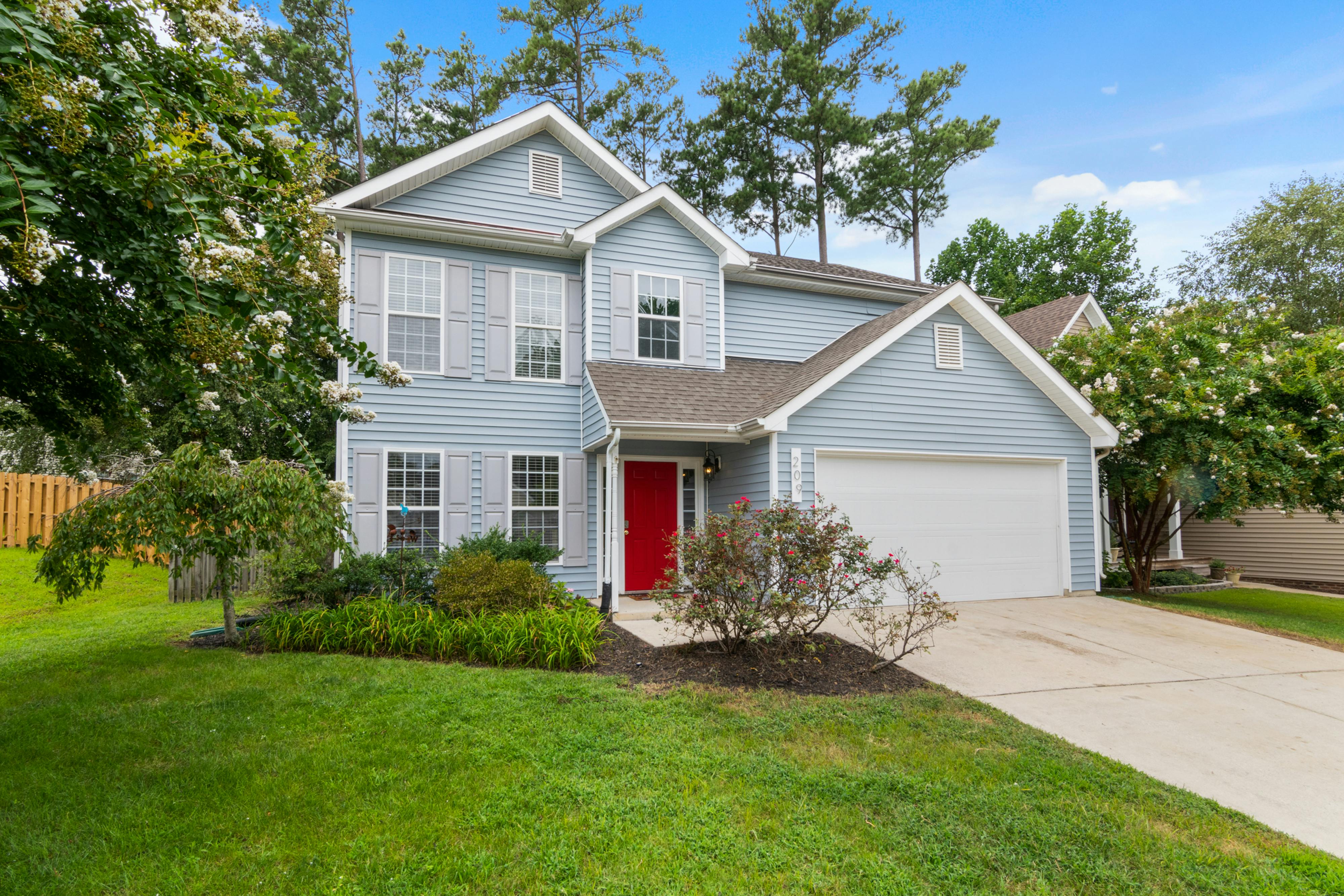
For driveway cracks, clean thoroughly, insert foam backer rod for cracks wider than 1/4 inch, and fill with flexible polyurethane caulk—not rigid concrete patch, which will crack again. Hairline cracks under 1/8 inch use pourable sealer; cracks 1/4-1/2 inch need backer rod. If crack sides are uneven (one higher than the other), call a professional—this indicates structural settling.
Most driveway cracks are cosmetic and easy to fix yourself. The key is using flexible filler that moves with the concrete instead of rigid patches that crack again. However, some crack patterns indicate serious structural issues that require professional repair.
What You’ll Need
Tools:
- Wire brush or stiff-bristle brush
- Cold chisel and hammer (for crumbling edges)
- Shop vacuum or leaf blower
- Caulking gun
- Putty knife or pointing trowel
- Safety glasses and waterproof gloves
Materials:
- Foam backer rod (various diameters)
- Polyurethane concrete caulk: $6-15
- Self-leveling crack sealer (for hairline cracks): $12-15
- Sand for texture matching
Crack Size Guide
| Crack Type | Width | Recommended Product |
|---|---|---|
| Hairline | Under 1/8” | Pourable crack sealer |
| Small | 1/8” - 1/4” | Polyurethane sealant |
| Medium | 1/4” - 1/2” | Backer rod + polyurethane |
| Large | Over 1/2” | Patching compound or call pro |
Recommended products:
- Quikrete Gray Concrete Crack Seal ($12.85/qt)
- Quikrete Concrete Repair ($6.18/10 oz)
- Quikrete FastSet ($26.58) — Traffic-ready in 1 hour
- DAP Polyurethane Concrete Sealant
Step-by-Step: Crack Repair
Step 1: Assess the Crack
Before repairing, check for structural issues:
- Are both sides at the same level? — Uneven = call professional
- Is the crack growing? — Mark ends and measure weekly
- Is it wider than 1 inch? — May need professional assessment
Step 2: Clean the Crack
- Remove weeds, grass, and loose debris with screwdriver or knife
- Break away deteriorating concrete with chisel and hammer
- Clean with wire brush to dislodge loose particles
- Use shop vacuum or leaf blower to remove all dust
- Pressure wash if heavily soiled; let dry 24 hours
Filler won’t bond to dirty, oily, or dusty concrete. Thorough cleaning is the most important step for a lasting repair.
Step 3: V-Cut Wide Cracks (Optional)
For cracks wider than 1/2 inch or with crumbling edges:
- Use chisel or angle grinder to widen crack to minimum 1/4 inch
- Create inverted “V” shape (wider at bottom) to help filler lock in
- Remove all dust after cutting
Step 4: Install Backer Rod
For cracks 1/4 inch or wider:
- Choose foam backer rod 1/8 to 1/4 inch LARGER than crack width
- Push rod approximately 1/2 inch below concrete surface
- For very deep cracks, use playground sand to fill partially first
Step 5: Apply Sealant
- Cut nozzle tip at 45° angle to match crack width
- For self-leveling products on flat surfaces: dam ends with non-sag sealant first
- Apply steady bead along entire crack length
- Overfill slightly to account for shrinkage
- Filler should settle just BELOW surface level
- Tool with putty knife if needed
Step 6: Add Texture (Optional)
- Sprinkle light layer of sand on wet filler
- Brush off excess after filler dries
- Helps camouflage repair
Step 7: Cure Time
- Keep area dry during curing
- Avoid traffic for 24-48 hours minimum
- Protect from rain for at least 4-8 hours
- Quikrete FastSet: ready in 1 hour at 77°F
Structural Warning Signs — Call a Pro
DO NOT attempt DIY repair if you see:
| Warning Sign | Indicates |
|---|---|
| One side higher than other | Settling or heaving |
| Cracks wider than 1 inch | Significant movement |
| Horizontal cracks | Foundation pressure |
| Cracks that keep returning | Ongoing soil movement |
| Spiderweb pattern (crazing) | Installation issues |
| Gaps at house foundation | Settling |
Professional Solutions:
- Mudjacking: Pumping cement slurry under slab to lift. Cost: $3-8/sq ft
- Foam jacking: Expanding polyurethane foam. Cost: $6-25/sq ft. Ready in 15 minutes.
- Replacement: When repairs exceed 50% of replacement cost
When to Call a Pro
Call a professional if:
- Crack sides are at different heights
- Cracks wider than 1 inch
- Multiple sections settling at different rates
- Cracks keep returning after proper repair
- Concrete is 20+ years old with recurring issues
- Repair costs exceed 50% of replacement cost
Common Mistakes to Avoid
- Using rigid materials — Standard concrete patch cracks again; use flexible polyurethane
- Not cleaning thoroughly — Filler won’t bond to dirty or dusty concrete
- Skipping backer rod — Deep cracks waste filler and may not cure properly
- Overfilling above surface — Creates tripping hazard; keep slightly below
- Applying in wrong weather — Below 40°F stops curing; above 90°F causes rapid drying
- Ignoring structural signs — If soil is moving, DIY repairs will fail
- Repairing uneven cracks — Settling/heaving needs professional mudjacking first
Cost Comparison
| Repair Type | DIY Cost | Professional Cost |
|---|---|---|
| Hairline crack repair | $20-30 | $75-150 + service call |
| Medium crack repair | $30-60 | $1-2/linear foot |
| Mudjacking | — | $750-1,200 average |
| Foam jacking | — | $2,000+ minimum |
| Full replacement | — | $1,500-6,000 |
Frequently Asked Questions
What’s the best filler for concrete driveway cracks?
Use flexible polyurethane concrete caulk—not rigid concrete patch, which will crack again. For cracks under 1/4 inch, use self-leveling crack sealer. For cracks 1/4 to 1/2 inch, install foam backer rod first, then apply polyurethane sealant.
How do I know if a driveway crack is structural?
Structural warning signs: one side of the crack is higher than the other (settling or heaving), cracks wider than 1 inch, horizontal cracks, cracks that keep returning after repair, or widespread spiderweb pattern. These require professional assessment—mudjacking or replacement, not DIY patching.
How long does concrete crack filler take to cure?
Most crack fillers are traffic-ready in 24-48 hours. Quick-set products like Quikrete FastSet are ready in 1 hour at 77°F. Keep the area dry and avoid traffic during curing. Deep cracks filled in layers need 24 hours between each layer.
Related Guides
- Exterior Maintenance Guide — Complete overview of home exterior care
- How to Pressure Wash Siding — Clean concrete and other surfaces
- Deck Maintenance and Staining — Protect outdoor surfaces