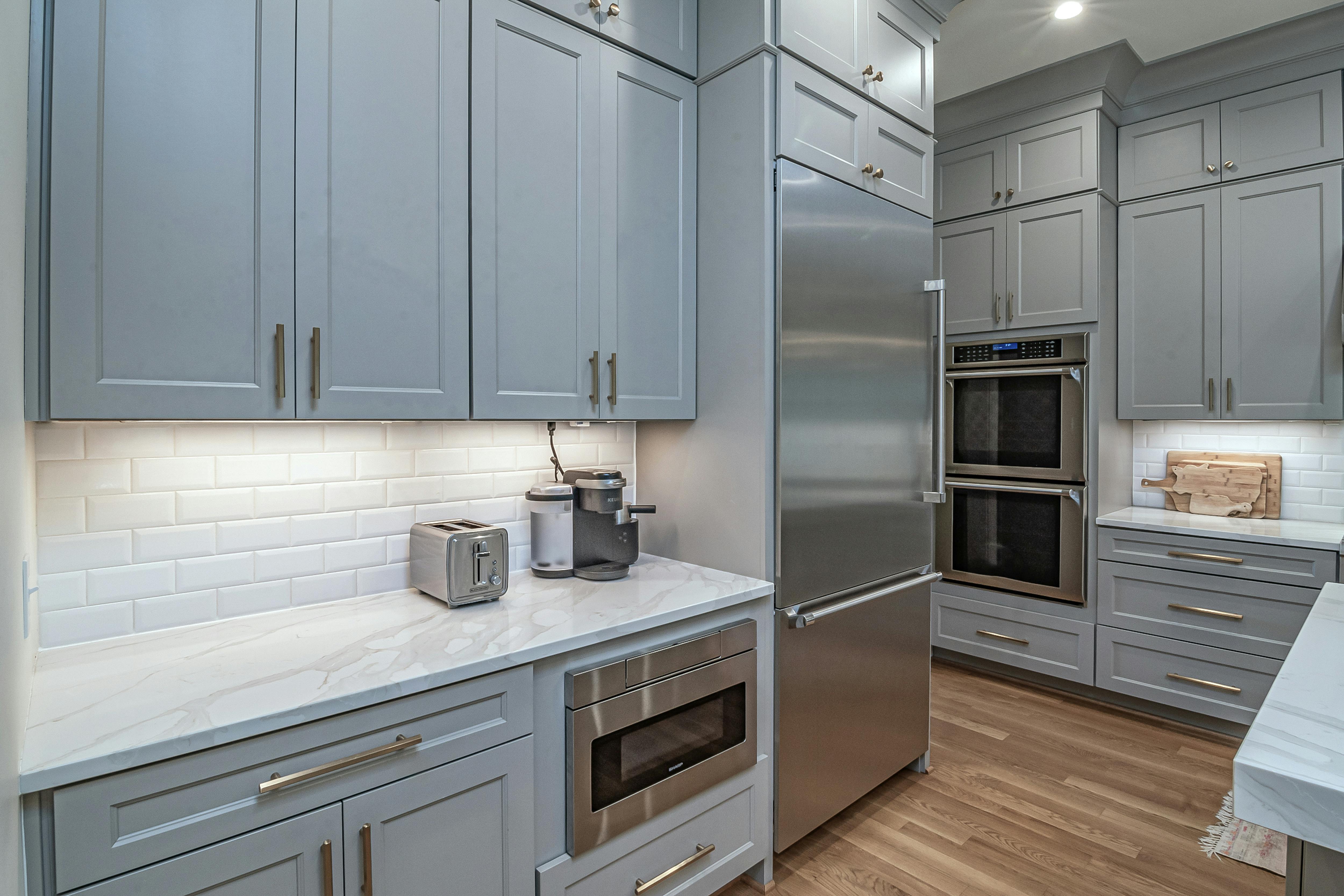
A flashing temperature display on a GE refrigerator indicates the door was left open or the temperature is high. According to GE, the displays will stop flashing when the proper temperature is reached. Check that doors are closed properly, then allow time for temperatures to recover.
| Error Code | Flashing Display |
|---|---|
| Meaning | Temperature high alert—door left open or cooling issue |
| Difficulty | Easy |
| Time to Fix | 4-24 hours (temperature recovery time) |
| Tools Needed | Coil brush, Vacuum with brush attachment, Appliance thermometer |
| DIY Fixable | Yes |
| Official Source | GE Appliances Support |
When your GE refrigerator’s temperature display flashes, it’s alerting you that the door was left open or that temperatures have risen above the safe range. According to GE, the displays will stop flashing once proper temperature is reached—this could be temporary (door left open) or indicate a cooling problem that needs attention.
What the Flashing Display Means
A flashing temperature reading indicates:
- Freezer or fresh food temperature is too high
- The refrigerator has been outside safe range for a period
- Food safety may be compromised
- The cause could be temporary or ongoing
Normal operating temperatures:
- Freezer: 0°F (-18°C)
- Fresh food: 37°F (3°C)
Model Coverage
This guide applies to GE refrigerators with digital temperature displays:
- GE French door refrigerators: GFE, GNE, GYE series
- GE side-by-side refrigerators: GSS, GSE series
- GE Profile and GE Cafe models
- Models manufactured 2015-2024
Common Causes
Temporary Causes
- Power outage (most common)
- Door left open or not sealing properly
- Large amount of warm food added at once
- Heavy door usage (party, cooking)
Ongoing Issues
- Dirty condenser coils
- Failed evaporator fan (FF error may also appear)
- Failed condenser fan (CC error may also appear)
- Defrost system failure
- Refrigerant leak (rare but serious)
- Compressor failure (rare)
Step-by-Step Fix
Step 1: Check the Doors
Ensure both doors (and drawer if applicable) seal properly:
- Close all doors firmly
- Check that nothing is blocking the doors from sealing
- Inspect door gaskets for damage or debris
- Feel around the door edges for cold air escaping
- Test gasket seal: Close door on a dollar bill; it should have resistance when pulled
Step 2: Clear the Alarm
Most GE models have an alarm reset:
- Press the Alarm or Set button
- The flashing should stop
- The display will show current temperature
- It may still be high—that’s okay if it’s recovering
Step 3: Check Interior Vents
Air must flow between freezer and fresh food sections:
- Ensure nothing blocks the vents inside the freezer
- Check vents between freezer and fresh food (usually at the back)
- Don’t pack items too tightly against vents
- Rearrange if necessary
Keep your refrigerator about 3/4 full for best efficiency. Too empty means less thermal mass to maintain cold; too full blocks airflow.
Step 4: Clean Condenser Coils
Dirty coils are a leading cause of temperature problems:
- Unplug the refrigerator
- Locate coils (bottom front behind grille, or rear)
- Use a coil brush to loosen dust
- Vacuum debris thoroughly
- Clean surrounding floor area
Step 5: Verify Fans Are Running
When the compressor runs:
- Open the freezer and hold the door switch
- Listen for the evaporator fan inside
- Listen at the bottom rear for the condenser fan
- Both should be running
No fan sound indicates a fan failure (see FF or CC guides).
Step 6: Allow Recovery Time
After addressing issues:
- Close doors and leave the refrigerator undisturbed
- Wait 4-24 hours for full temperature recovery
- The display should stop flashing once targets are reached
- Use a thermometer to verify actual temperatures
Food Safety After Temperature Excursion
If temperatures rose significantly:
Refrigerator Section (Above 40°F for 2+ hours)
- Discard: meat, poultry, fish, eggs, dairy, cut fruits, cooked foods
- Usually safe: hard cheeses, butter, fresh whole fruits, vegetables, condiments
Freezer Section
- If items still have ice crystals: can be refrozen
- If items are fully thawed and warm: follow refrigerator guidelines above
- When in doubt, throw it out
Monitor with Thermometer
Don’t rely solely on the display:
- Place an appliance thermometer in both sections
- Check temperatures after 24 hours
- Freezer should be 0°F or below
- Fresh food should be 37°F or below
- Variations of ±3°F are normal
When Flashing Continues
If the display keeps flashing despite troubleshooting:
Check These Items
- Compressor running? Listen at the bottom rear
- Any error codes? Like FF or CC
- Ice buildup? In freezer on back wall
- Coils clean? Front or rear
- Gaskets sealing? All doors
It Could Be
- Defrost system failure (ice buildup)
- Compressor issue (no humming/vibration)
- Sealed system leak (won’t maintain temperature)
- Temperature sensor failure (readings wrong)
Power Outage Recovery
After a power outage:
- The flashing is normal—the unit lost cooling during outage
- Press alarm reset
- Don’t open doors until temps recover
- Allow 24 hours for full recovery
- Check food safety based on outage duration
When to Call a Tech
Contact a professional if:
- Temperature won’t recover within 24 hours
- The compressor doesn’t run
- You see ice buildup in the freezer repeatedly
- Error codes (FF, CC, etc.) accompany the flashing
- Temperatures are correct but display keeps flashing
Sources
For official GE support: