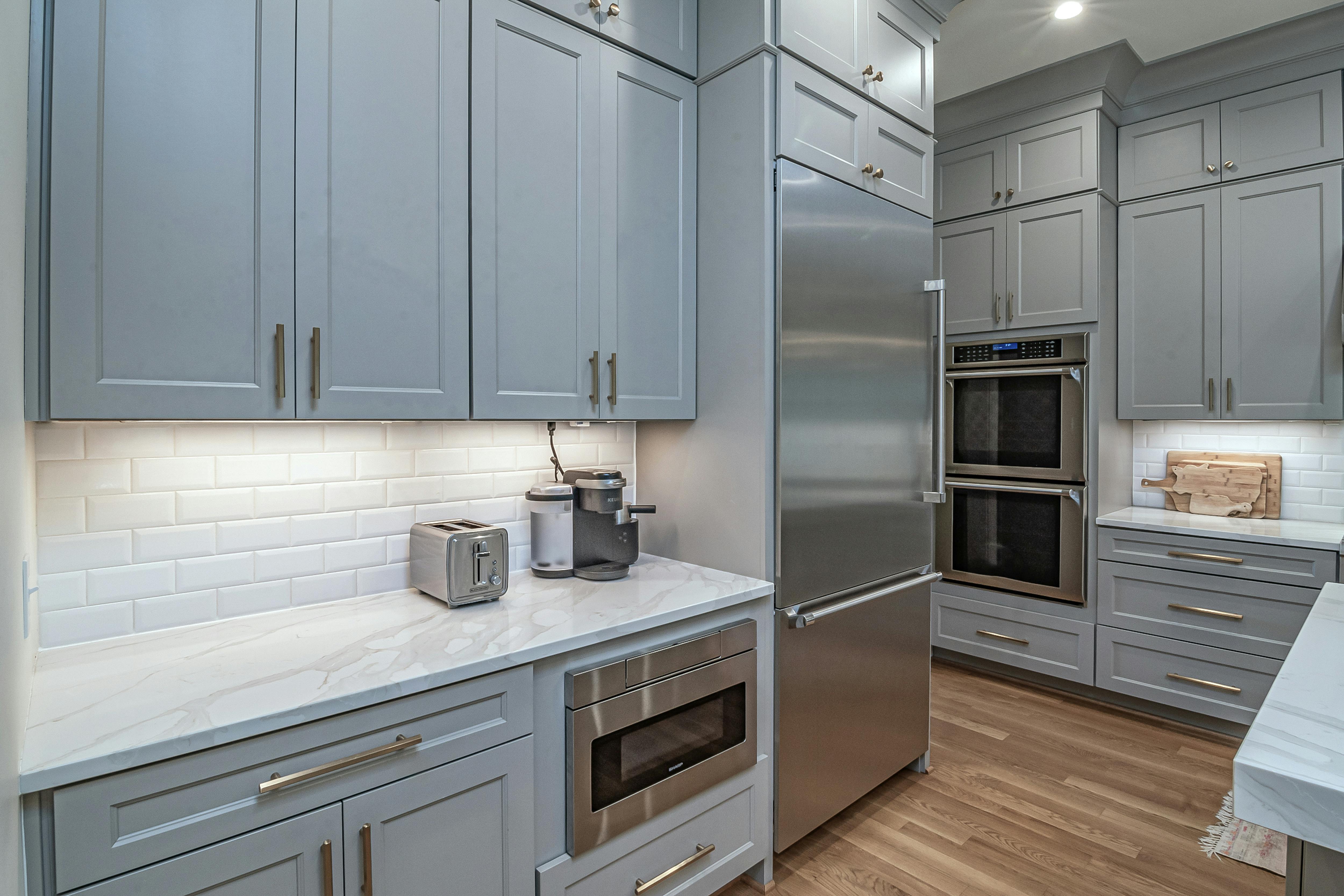
Most appliance warranties cover 1 year of parts and labor for manufacturing defects. Key components like compressors may have longer coverage. User damage, improper installation, and unauthorized repairs are typically not covered. Always register your appliance and save your receipt.
Understanding your appliance warranty before you need it can save frustration and money. This guide explains what’s typically covered, common exclusions, and how to handle warranty claims effectively.
Types of Warranty Coverage
Manufacturer’s Warranty (Standard)
Most new appliances include:
- 1 year parts and labor: Covers manufacturing defects
- Coverage starts: From date of purchase (not delivery)
- Requires: Proof of purchase and proper installation
Some components get extended coverage:
- Compressors: Often 5-10 years (parts only)
- Motors: Sometimes 5 years (parts only)
- Sealed systems: May have extended coverage
Extended Warranties (Purchased Separately)
Offered by retailers or third parties:
- Extend coverage beyond manufacturer warranty
- May cover accidental damage (some plans)
- Vary widely in quality and value
- Often have deductibles per service call
Implied Warranties
State laws provide additional protection:
- Products must work as advertised
- Must be fit for normal use
- Coverage period varies by state
- May apply even after manufacturer warranty expires
What’s Typically Covered
Manufacturing Defects
Warranties generally cover:
- Parts that fail due to defect
- Workmanship issues
- Components that don’t work as designed
- Electrical/electronic failures (not from power surges)
Specific Examples of Covered Issues
- Control board fails during normal use
- Motor bearings wear prematurely
- Pump leaks due to manufacturing defect
- Door latch breaks under normal operation
- Display malfunctions
- Sensors fail without cause
If an issue occurs in the first year, always call the manufacturer first—even if you think it might not be covered. Many will cover repairs that seem borderline.
What’s Typically NOT Covered
User-Caused Issues
- Damage from overloading
- Using wrong detergent (dishwashers)
- Failure to clean filters/vents
- Physical damage (dents, scratches)
- Damage from improper installation
Environmental Factors
- Power surge damage
- Lightning damage
- Flood or water damage
- Fire damage
- Pest damage
Normal Wear and Maintenance
- Light bulbs
- Filters (air, water)
- Door gaskets (after first year, usually)
- Cosmetic items (knobs, handles)
- Cleaning and maintenance
Improper Installation
- Installation not per manufacturer guidelines
- Improper electrical connection
- Incorrect water pressure
- Inadequate ventilation
- Not level (causes premature wear)
Unauthorized Repairs
- DIY repairs involving sealed components
- Using non-OEM parts
- Repair by non-authorized technicians
- Modifications to the appliance
How to Protect Your Warranty
At Time of Purchase
- Register the appliance with the manufacturer
- Save the receipt (take a photo, store digitally)
- Keep the manual or download digital copy
- Note the purchase date somewhere permanent
- Read the warranty terms before you need them
During Use
- Follow installation guidelines exactly
- Perform recommended maintenance (cleaning filters, etc.)
- Use the appliance as intended
- Address issues promptly (small problems can become big)
- Document problems (photos, dates, symptoms)
If You Need Repairs
- Call manufacturer first during warranty period
- Use authorized service when possible
- Keep records of all service visits
- Save replaced parts until issue is fully resolved
Making a Warranty Claim
Before Calling
Gather this information:
- Model number
- Serial number
- Date of purchase
- Proof of purchase (receipt, credit card statement)
- Description of the problem
- Error codes (if displayed)
- What you’ve already tried
During the Call
- Explain the problem clearly and concisely
- Mention that you’re within the warranty period
- Ask for a case/reference number
- Get the name of the representative
- Confirm what happens next (service visit, etc.)
If Initially Denied
- Ask for the specific reason
- Request a supervisor if you disagree
- Review your warranty documentation
- Check if the issue is covered elsewhere
- Consider escalating to consumer affairs
Extended Warranties: Worth It?
Arguments For
- Peace of mind for expensive appliances
- May cover accidental damage
- Avoids unexpected repair bills
- Some include annual maintenance
Arguments Against
- Manufacturer defects usually appear in first year
- Repairs often cost less than extended warranty
- May have exclusions that limit usefulness
- Deductibles reduce value
When Extended Warranties Make Sense
- High-end appliances (expensive repairs)
- Features you can’t live without
- Poor reliability history for that brand/model
- You prefer predictable costs
When to Skip
- Budget appliances (cheaper to replace)
- Brands with excellent reliability
- You have an emergency fund for repairs
- Cost is high relative to appliance value
Typical Warranty Periods by Appliance
| Appliance Type | Full Coverage | Extended Components |
|---|---|---|
| Refrigerator | 1 year | Compressor: 5-10 years |
| Washer | 1 year | Motor/tub: up to 5 years (some brands) |
| Dryer | 1 year | Drum: varies |
| Dishwasher | 1 year | Tub/door liner: varies |
| Range/Oven | 1 year | May have limited parts extensions |
Coverage varies significantly by brand and model. Always check your specific warranty.
What About Used Appliances?
Buying Used
- Manufacturer warranty may have remaining time
- Warranty typically transfers to new owner
- Need original purchase receipt (often unavailable)
- Extended warranties usually don’t transfer
Selling Used
- Mention remaining warranty as a selling point
- Provide proof of purchase if possible
- Disclose any repairs or issues
Resources
For Warranty Information
- Your appliance owner’s manual
- Manufacturer’s support website
- Product registration confirmations
- Purchase receipts and records
For Disputes
- State attorney general consumer protection
- Better Business Bureau
- FTC Consumer Information: consumer.ftc.gov